
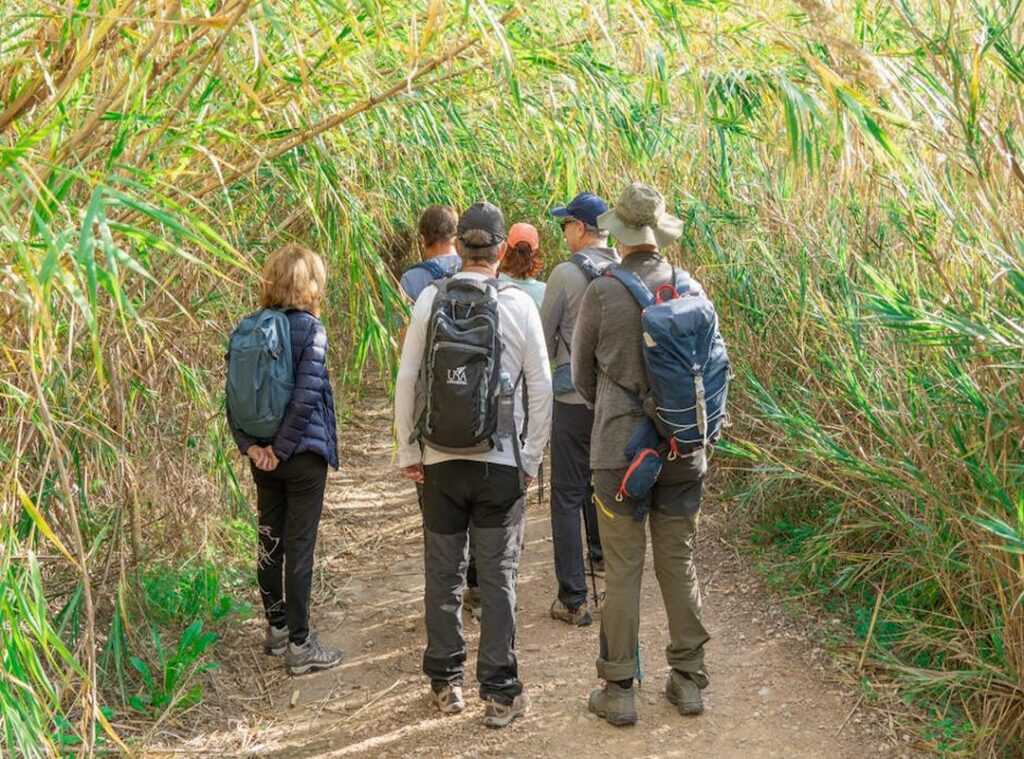
Hiking can be a blast, but it often comes with a price. Unsustainable practices damage our beautiful trails and landscapes. I’m sure you’ve seen it too.
Litter, worn-out paths, and overcrowded parks. It’s frustrating because these places are our escape from the chaos of everyday life.
Sustainable hiking is more than a trend; it’s a necessity. It’s about being aware of our impact on nature and taking steps to minimize it. I’ve spent years exploring the outdoors, learning how to respect the environment while enjoying it.
I’ve seen the difference when we adopt eco-friendly habits.
This article dives into climate change hiking and why it matters. I’ll share practical tips on how we can all hike sustainably. You’ll learn how to protect our natural resources while still enjoying the trails you love.
If you’re looking to make a positive change while hiking, you’re in the right place. This isn’t just about going green; it’s about preserving our planet for future generations. With the right mindset, every hike can be a step toward environmental awareness.
Join me on this journey to embrace sustainable hiking and make a difference.
Trailblazing or Trail-Wrecking? The Hiking Dilemma
Hiking doesn’t just build character; it can also trash the environment. Let’s get straight to the point. Traditional hiking practices might be more damaging than you think.
We trample over delicate plants, scare the pants off wildlife, and leave behind a litter trail that rivals Hansel and Gretel’s breadcrumbs. Sound familiar? It’s not just a small problem.
Studies show that trail erosion, wildlife disturbance, and littering have a big impact on our planet. Erosion alone can carve pathways down mountains, leaving scars visible from space (okay, maybe not space, but you get it).
So why should we care about climate change hiking? For starters, every footprint affects local ecosystems. And the wildlife?
They’re not just cute Instagram backgrounds; they’re important to biodiversity. Yet we often scare them away or worse, disrupt their habitats.
Reversing these impacts requires simple awareness and behavioral changes. How about packing out what you pack in or sticking to marked trails? (Pro tip: Bring a bag for your trash!) A study once highlighted that simply staying on designated paths can reduce erosion by over 50%.
In the end, hiking responsibly isn’t just for the granola crowd. It’s for anyone who loves walking through nature without leaving a path of destruction.
Principles of Sustainable Hiking: A Hiker’s Guide
Sustainable hiking isn’t just a trend. It’s a responsibility. We all love the great outdoors, but let’s face it: our footprints can be damaging. the Leave No Trace principles come in.
They’re not just good ideas; they’re important. Does it really make a difference if you carry out your trash? Yes, it does.
Every piece of litter left behind adds up, tarnishing the beauty we’re out here to enjoy.
Stay on marked trails. Seems obvious, right? But you’d be surprised how many folks think cutting a new path is harmless.
It’s not. Venturing off-trail damages vegetation and disrupts the space. And don’t even get me started on feeding wildlife.
Respecting animals means letting them live without interference. (You’re not doing them any favors by sharing your snacks.)
On longer hikes, minimal impact camping is key. Use established campsites and keep your campfire small or skip it altogether. Ever notice how a ring of stones looks unnatural in the woods?
That’s because it is. Pack in what you pack out. Simple rule, big impact.
These practices contribute to the broader conversation on Wildlife Protection Policies Announced.
And yes, climate change hiking is real. Our actions on trails today affect the hikes of tomorrow. Think about it: if we don’t act responsibly, there won’t be much left to enjoy.
So, whether you’re a seasoned trekker or a weekend warrior, remember that every step counts. Let’s keep nature as pristine as we found it.
Eco-Friendly Hiking Gear: Choose Wisely
Picking eco-friendly hiking gear is like choosing your hiking path (every) decision counts. So, what should you look for? First, the materials.
Sustainable options like recycled polyester or organic cotton are a good start. They’re not just buzzwords. These materials actually reduce waste and energy consumption.
Patagonia and REI are brands that walk the talk (pun intended) with their commitment to eco-friendly practices.
Ever think about how your gear affects the planet? It’s not just about the materials, but how long stuff lasts. Buying quality gear means less trash on the trail and in landfills.
Invest in durable items, even if they cost a bit more. You’ll save money in the long run and help the planet.
Climate change hiking is a real deal. As long-distance hikers get through the hazards of shifting weather patterns, having reliable gear is key. It’s not just about staying dry or warm; it’s about reducing your footprint.
Pro tip? Check for certifications like Fair Trade or Bluesign. These mean the company is serious about sustainability.
Every little bit helps, right? So, gear up smartly and tread lightly.
Conservation and Hiking: A Perfect Match
I’ve always believed that getting involved in local conservation efforts is more than just a feel-good activity. It’s important. Whether you’re in Los Angeles or elsewhere, you can boost your hiking experience by supporting local projects like trail clean-ups.

You know, those events where everyone brings gloves and a can-do attitude? They do wonders for our trails and our souls.
Organizations like the Sierra Club offer plenty of chances to give back. These folks aren’t just about lobbying; they organize real boots-on-the-ground efforts. When you join in, you’re not just hiking (you’re) making a difference.
Volunteering on the trails connects you to nature in a way that simply hiking doesn’t. It shifts your mindset from visiting nature to protecting it.
Here’s the wild part: communities dedicated to “climate change hiking” have actually turned entire areas around. Imagine hiking through a place knowing it’s healthier because of your sweat and determination. Epic, right?
It’s heartening to see what kind of impact these conservation efforts amplified can have.
So, why not join a local group? Make your hikes count for more than just Instagram shots. Trust me, it feels better to leave a trail better than you found it.
Inspire Change: Hike Sustainably
You ever wonder how your hiking habits impact the environment? It’s time we talk about climate change hiking. By now, we’ve all heard the usual spiel about reducing our carbon footprint, but what about when we’re out on the trails?
Social media is your megaphone. Sharing personal stories about sustainable hiking can light a fire under others. Post a photo of you picking up trash or choosing paths that aren’t eroding.
Trust me, it’s more than just a humblebrag.
Want to take it further? Organize a group hike with friends or family. Make it about environmental education.
Talk about the local flora and fauna, and why it’s key to protect them. It’s like hosting a mini David Attenborough documentary, but live.
Here’s the kicker: inspire just one person, and you’ve started a ripple effect. That person might inspire another, and so on. It’s like a chain reaction, but instead of destruction, it’s all about preservation.
Pro tip: Get kids involved. They’re like sponges (the good kind, not the ocean-destroying kind). They absorb everything and grow up conscious of their footprint.
So, what will you do next hike?
Your Next Steps in Sustainable Hiking
Sustainable hiking is not just a trend. It’s a necessity for protecting our planet. Every time you hike without considering the environment, you contribute to bigger problems like climate change.
We face serious consequences from unsustainable practices. Overcrowding, pollution, and habitat destruction aren’t just buzzwords. They’re the reality we’re creating.
You want to enjoy nature, right? Then let’s keep it intact.
Adopting sustainable hiking habits is rewarding. You’ll feel better knowing you’re making a difference. It’s about respecting the trails, the wildlife, and yourself.
Plus, sharing your experiences can inspire others to do the same.
Make a personal commitment to sustainable hiking today. Start small. Pick up trash on your next hike.
Follow Leave No Trace principles. Share your story with friends and family.
Show them that climate change hiking is possible and fulfilling. The more we talk about it, the more we’ll inspire change.
Don’t wait for someone else to take charge. Step up now. Commit to a sustainable future.
Your actions matter.
If you’re in, let’s get started. Your next hike can be a step towards healing our planet. Take action today and feel the difference!