How prepared are you for a wild emergency? I mean, really prepared? Most people think it won’t happen to them.
But when it does, the chaos can be overwhelming.
That’s where wild emergency handling comes in. I’ve had my share of close calls in the great outdoors, and I can tell you, knowledge is everything.
When you’re in the wilderness, a calm mind can save your life. This article dives into the practical steps you can take to handle emergencies like a pro.
I’ll share tips that I’ve learned through experience and from experts in survival techniques. You’ll find straightforward advice that you can trust, because I’ve been there.
By the end, you’ll feel more confident about your ability to get through unexpected situations in nature. Get ready to tackle the wild with the skills you need to stay safe and sound.
Urgent vs. Important: Know the Difference
What makes a situation truly urgent? It’s not just about importance. Urgency hits you like a bolt.
It’s sudden, often with an immediate threat or consequence. Does your heart race? That’s your body reacting to something urgent.
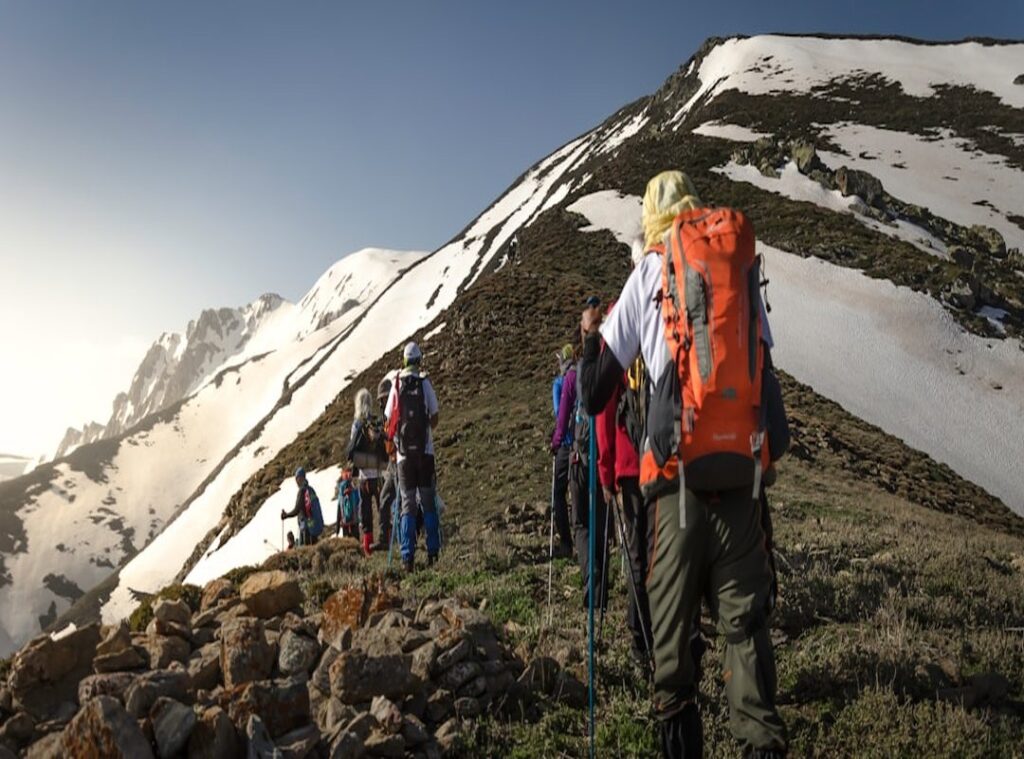
Imagine climbing a mountain and your gear suddenly fails. That’s wild emergency handling at its finest. Maybe you’re at work and the deadline moves up unexpectedly.
Or, someone’s health takes a nosedive. These aren’t just tasks to tackle eventually. They demand action now.
Recognizing urgency is key. It’s the difference between managing chaos and letting it spiral. Why?
Because knowing what’s urgent lets you prioritize effectively. You can’t just freeze or panic.
Speaking of mountains, knowing your important skills safe mountain hiking can save your skin in emergencies.
It’s not just about being prepared; it’s about knowing when to act. Urgent situations trigger fight-or-flight responses. Your heart pounds, your mind races.
But the first step? Identifying what’s truly urgent. Then, you can handle whatever comes next.
The Three Pillars of Immediate Response: Mastering Urgency
In wild emergency handling, it’s all about Assess, Act, Communicate. This system is your go-to for urgent situations. First things first: rapid assessment.
When life’s chaos hits (like) a rockfall during a hike. Your brain needs to switch to survival mode. What’s happening?
Who’s involved? Any immediate dangers? Look around, prioritize threats.
Secure yourself, check for injuries, spot escape routes. Don’t overthink. Quick actions save lives.
Next, decisive action. Once you’ve assessed, you need to move. Fast.
Even without a perfect plan, start executing. Trust your gut. It’s often smarter than you think.
If you’re in charge, give clear, simple instructions. Assign tasks. Someone secures the area, another administers first aid, you start evacuation.
It’s about doing, not pondering. You don’t have time to second-guess.
Lastly, communication. Keep it calm. Concise.
Everyone must know what’s happening. What actions are underway? Who’s affected?
What help’s needed? Talk to team members, emergency services, anyone involved. No need for jargon or drama.
People need facts, not fluster. Keep updates coming. Listen as much as you speak.
It all sounds intense because it is. But this approach works. Stay calm, stay focused, and, most importantly, stay alive.
The situation will evolve, and so should your message.
In emergencies, clarity and speed will carry you through. Who knew a simple system could keep your head above water in life’s wildest storms?
Stay Calm and Conquer: High-Pressure Tactics
High-pressure moments. Everyone faces them. The trick is to cultivate a calm mindset.
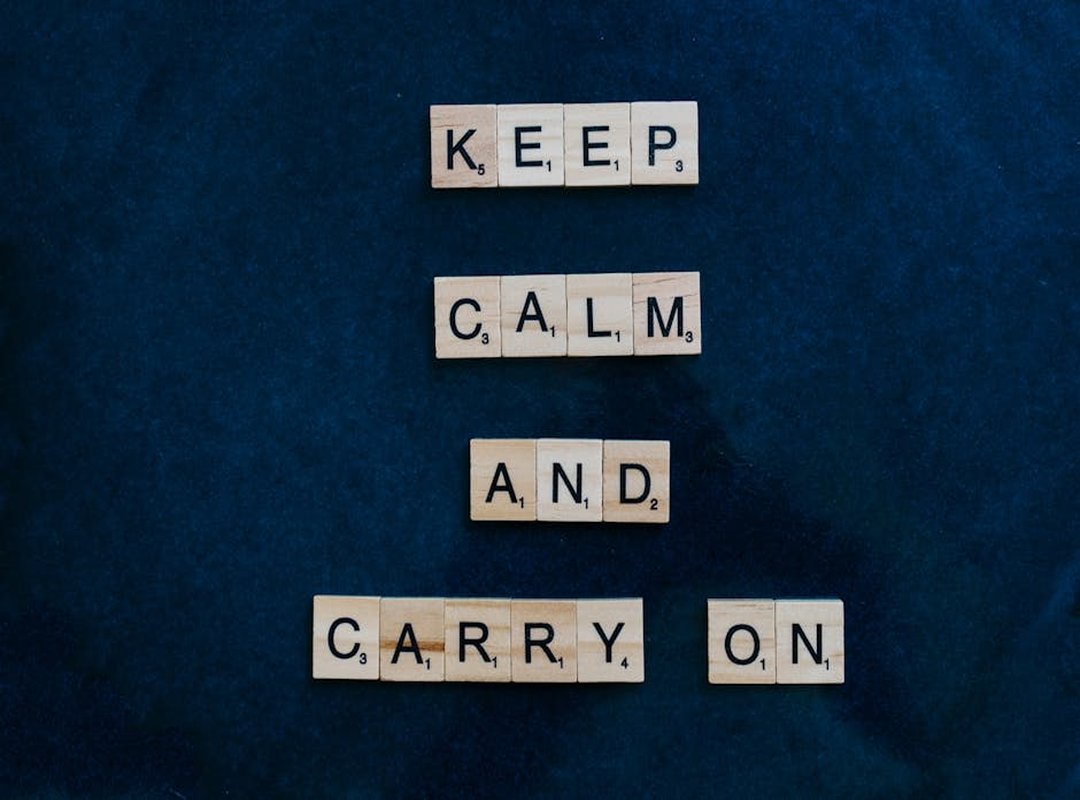
Controlled breathing is my go-to. Inhale, hold, exhale. Repeat.
It’s like hitting the reset button on your brain. Ever tried mental self-talk? Tell yourself you’ve got this.
Visualize success. It sounds cheesy, but it works.
Pre-planning is gold. Mental rehearsal, or scenario training, builds ‘muscle memory’ for calm responses. Even when a situation is new, you won’t panic.
Panic is your worst enemy. It clouds judgment, slows you down. Fight it actively.
Stay grounded.
Resourcefulness is your secret weapon. Think MacGyver (use) what’s around you. A backpack strap can be a makeshift splint.
A reflective blanket? Perfect for signaling. These aren’t just survival show tricks.
They’re practical. Look around. What can you use in an emergency?
Start assessing your surroundings now. It’s a habit worth forming.
When time is tight, forget perfect. Aim for ‘good enough’ decisions. Identify options quickly, weigh pros and cons, choose the safest path.
Be ready to adapt. Trust your instincts. Your training is there for a reason.
But stay open to new information. Sometimes, a fresh perspective saves the day.
In wild emergency handling, knowing wildlife rescue safety precautions can be useful. It’s about being prepared for anything, even the unexpected. The wild is unpredictable, but with these tactics, you’ll stay ahead.
Remember, your mindset and resourcefulness are solid. They set you apart.
Post-Crisis: Recovery, Review, and Building Resilience
Handling a wild emergency isn’t something you plan for, but when it happens, you better know what to do. First, make sure everyone’s safe. This means securing the scene and checking that everyone has basic needs like shelter and warmth.
Who knew a blanket could be such a lifesaver?
In the chaos, don’t forget self-care. It’s key for responders and managers to acknowledge their stress (not just the physical stuff). You can’t help others if you’re a mess yourself.
Once the dust settles, it’s time to debrief. What went right? What could have been better?
It’s not about pointing fingers, but understanding decisions and communication. Document everything. You want a record that reads like a survival guide for next time.
Turn those lessons into actions. Update your emergency plans and get some new skills under your belt. Ever tried advanced first aid?
It’s worth it. Regular drills might sound boring, but they’re key. You don’t want to be fumbling through a manual when it hits the fan again.
Invest in the right gear. If you’re dealing with the wilderness, you don’t want to be caught with your pants down. This isn’t just about survival; it’s about thriving in tough situations.
Continuous learning isn’t a cliché here. It’s your best tool.
And if you’re looking for more on this, check out some navigating remote wilderness tips. Trust me, it’s a game-changer. Mastering urgent situation management is about turning past crises into strengths.
Nobody said it was easy, but it’s worth it.
Embrace the Challenge Ahead
Urgent situations will hit you. You can’t stop them, but you don’t have to feel helpless.
That paralyzing fear? It’s manageable.
With the system of “Assess, Act, Communicate,” you can tackle wild emergency handling head-on.
This structured approach gives you the tools to turn chaos into a challenge.
Embrace every experience. Learn from them and grow stronger.
Now, take action. Review your preparedness today.
Practice the techniques I’ve shared.
Commit to ongoing learning.
Don’t let uncertainty take control.
You have the power to handle the unexpected.
So why wait? Start transforming potential chaos into something you can manage.
Your journey to readiness begins now. Get started.