When you think about survival in the wilderness, do you worry about finding clean water? You should. Without proper water purification nature techniques, you’re taking a big risk.
I’ve learned the hard way that not all water is safe to drink.
You might think boiling water is enough. But what about the contaminants you can’t see? It’s key to understand how to purify water in different environments.
This article will share practical tips I’ve picked up over years of outdoor adventures. You’ll learn about various purification methods that work with natural resources.
I’ve consulted experts and tested these techniques myself, so you can trust the information here.
By the end, you’ll feel more confident about managing your water supply in the wild. Don’t let a lack of clean water ruin your experience. Let’s dive into the details so you’re prepared for whatever nature throws your way.
Why Choose Natural Methods for Water Purification?
Let’s be honest. Who wants chemicals in their water? Not me, that’s for sure.
Natural methods of water purification are all about keeping it pure and simple. No strange additives, just good old-fashioned nature doing its thing. Plus, it’s sustainable.
You don’t have to rely on anything that’s not already around you.
Ever been hiking or stuck without power? You know how key (sorry, couldn’t find a better word!) it is to have water purification options. When you’re out there in the wild or dealing with a power outage, knowing how to purify water without store-bought filters is a game-changer.
It’s about self-reliance. And, to me, that peace of mind is priceless.
Let’s not forget, people have been purifying water this way for centuries. Before all these fancy gadgets we have now, they managed just fine. It’s an authentic approach that works if you apply it with care.
But, and here’s the kicker, it requires understanding its limitations. You can’t just wing it.
So, while water purification nature methods are effective, they demand respect. And maybe that’s what makes them so appealing. Does it work every time?
I hope so, but I’m not sure. That’s why I trust what I know and stay prepared.
Water Wisdom: First Steps for Safe Drinking
Ever tried scooping water from a pond? It’s not the best idea. Always source moving water like streams or rivers instead of stagnant pools.
Avoid areas near farms or human activities. They’re breeding grounds for contamination. You wouldn’t drink water next to a public restroom, right?
Now, pre-filtering is key. It’s your first defense against debris. Even if the water looks clear, it’s still hiding surprises.
Use a bandana, a shirt, or any clean cloth to strain out leaves and sediment. Think of it like straining pasta. You wouldn’t want noodles with dirt, would you?
This simple step makes all other purification methods more effective.
Why bother pre-filtering? It extends the life of advanced filters and enhances taste. Nobody likes gritty water.
Plus, it’s like giving your bodyguard (the filter) a fighting chance. Without pre-filtering, filters clog, and then you’re back to square one.
Exploring the wilderness means knowing where to find water and how to make it drinkable. Speaking of exploration, if you’re into foraging, you might find survival food foraging forest tips handy. Water purification in nature isn’t just about survival.
It’s about doing things right.
Boiling and SODIS: Tried and True Water Purification
Boiling water is the gold standard of natural water purification. It kills almost everything you don’t want in there. Bacteria, viruses, and protozoa.
It does the job right. You need to bring the water to a rolling boil for at least one minute. If you’re up in the mountains, make it three.
After that, let it cool. It’s simple enough, but not without drawbacks. You’ll need fuel or fire, and it might change the taste.
Plus, it’s not instant.
Now, let’s talk about Solar Disinfection, or SODIS. This uses the sun’s UV rays to clean water. Fill clear plastic bottles with pre-filtered water and lay them in direct sunlight for six hours.
On cloudy days, give it two full days. No need for fuel, and it’s sustainable. But you need sunlight, and it won’t work as well if the water’s murky.
Both methods have their place in water purification nature scenarios. Boiling is reliable but resource-heavy. SODIS is eco-friendly but slower.
So, what’s your situation? Need it fast and reliable, or do you have time and sunshine on your hands? Either way, knowing these methods can be a lifesaver when you’re exploring the wild.
DIY Natural Water Filters: Keep It Simple, Keep It Clear
Building a DIY water filter isn’t rocket science, but it’s no magic trick either. You can use natural materials to make a gravity-fed filter, but remember: it’s for clarification and sediment removal. You still need to boil the water or use SODIS (solar disinfection) afterward.
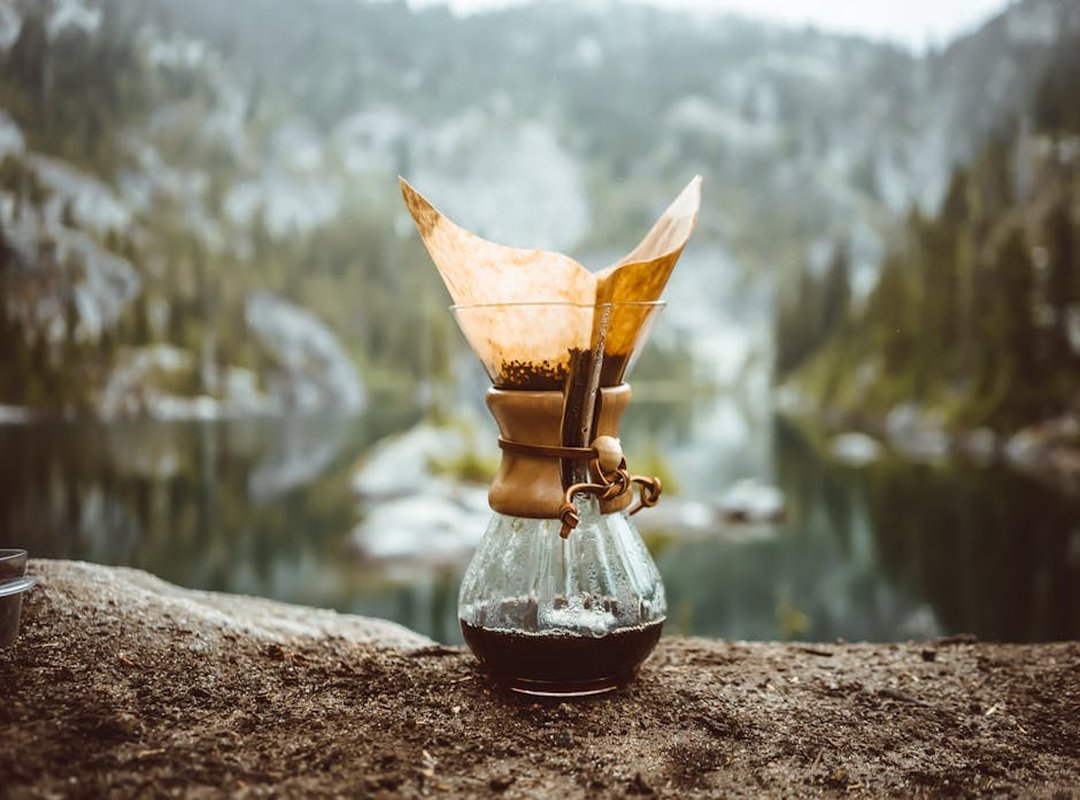
Start with an empty plastic bottle. Cut the bottom off. From bottom to top, layer a clean cloth or bandana, crushed wood charcoal (not briquettes), fine sand, coarse sand, small gravel, larger gravel, and top it off with another cloth.
The charcoal cuts odors and strange tastes. Sand and gravel handle the particles. Easy, right?
But here’s the kicker: this filter won’t knock out all the baddies in the water. It’s a pre-treatment step. Think of it as nature’s way of saying, “Hey, I’m doing my part.” Multiple passes can help, but a final boil or SODIS treatment is a must.
For more on how these methods fit into natural water purification and water management, check out some real-world examples. Nature has a lot to teach us about water purification. Nature’s solutions hold some serious potential, but be smart about it.
Your health’s on the line, after all.
Beyond Filtration: Natural Clarifiers and Safe Water Storage
Ever tried letting sediment settle in a container overnight? It’s like magic. This old trick (decantation, they call it) can clear cloudy water without fancy tools.
But what about natural coagulants? Certain clays or fine sand can make particles clump together and settle. Sounds high-tech, but trust me, basic methods are usually enough.
Now, let’s talk storage. Purifying water is just half the battle. If you don’t store it right, it’s like cleaning your house and leaving the door open.
Use clean, covered containers and keep them in a cool, dark place. Don’t touch the inside of the container or lid (that’s inviting trouble). Label with the date of purification so you don’t play guessing games later.
Even the purest water can get contaminated again if stored carelessly. It’s a complete approach to water safety. You wouldn’t skimp on building shelter with natural materials, right?
Same goes for water storage.
Pro tip: Have separate containers for clean and dirty water. Cross-contamination is no joke, especially in survival scenarios. Water purification nature is about more than just filtering.
It’s about smart storage too.
Master Your Skills for Clean Water
Mastering natural water purification is key. It gives you peace of mind when clean drinking water is hard to find, especially off-grid or in emergencies. These methods work because they rely on basic principles and commonly available materials.
Practice them in everyday situations. Build your confidence and trust in your skills.
Gather supplies like a bandana and a plastic bottle. Try making a simple filter or boiling water on your next outdoor trip.
Self-reliance matters. Don’t wait for a crisis to learn. Start now and embrace the power of water purification nature.