
You want to be self-sufficient in nature, right? The idea of wandering through the woods, finding food, and thriving off the land sounds amazing. But how do you actually do that?
In this article, I’ll teach you important forest foraging survival skills. These practical techniques will help you identify edible plants, mushrooms, and berries. Trust me, I’ve spent years honing my skills in the wild.
I know what works and what doesn’t.
Foraging isn’t just a fun hobby; it’s a key survival skill. You’ll gain knowledge that can keep you alive in a pinch. Imagine being able to forage your own meals.
How liberating is that?
I’ll break down everything you need to know, from understanding the space to recognizing safe species. By the end of this, you’ll feel confident in your ability to forage in the wild. Let’s get started.
Foraging: Nature’s Hidden Feast
When I first stumbled into the world of forest foraging survival, I had no clue what I was doing. Foraging isn’t just about picking any plant you see. It’s a skill.
You’ve got to know which plants are edible and which ones will have you regretting your life choices. Remember that time I mistook a wild parsnip for a carrot? Yeah, not fun.
Identifying the good from the bad is key for survival.
Foraging is more than just survival, though. It’s a sustainable practice. We don’t need to disrupt nature to eat from it.
When done right, it lets us live off the land without damaging ecosystems. It’s like nature’s buffet, but you need a guide (or a good book) to avoid the poison ivy salad.
A lot of people think foraging is some mystical hippie thing. It’s not. It’s practical.
It’s about using what’s already there. And if you think purifying water is tricky, imagine mistaking mushrooms. Speaking of water, check out these Purifying Water Nature Techniques.
They’re useful when you’re out there.
So, are you ready to hit the woods? Or maybe you’re just curious? Either way, there’s a lot to learn.
Important Forager Tools: Gear Up and Get Out
Diving into the world of foraging isn’t just about wandering in the woods. You need the right gear, and I’m not talking about what looks cool on Instagram. First up, a trusty knife.
It’s important for cutting stems or roots (and let’s be honest, a bit of self-defense). A folding knife is compact and safe to carry.
Next, a basket or a mesh bag. Why? Because plastic bags suffocate plants and make you look totally out of place in nature.
A mesh bag lets your finds breathe.
Don’t forget the gloves. The forest can be a bit prickly, and if you’re foraging mushrooms, some are toxic to touch. Nobody wants itchy hands.
A field guide is a must-have. Seriously, you could rely on your phone, but good luck with that signal out there. Plus, thumbing through pages is half the fun.
Lastly, invest in a digging tool. This lets you explore roots and bulbs without ripping them from the earth like a savage. Keep your tools clean (just wash and dry) to avoid rust.
If you’re diving into forest foraging survival, safety is non-negotiable. Avoid areas with recent pesticide use, and never eat what you’re unsure of. Happy foraging!
Edible Plants: Nature’s Hidden Buffet
I’ve wandered through countless forests, always on the lookout for edible plants. You might be surprised by what’s hiding in plain sight. to a few favorites.
First up, the dandelion. Yep, the weed you curse in your lawn is a foraging staple. Every part is edible.
The leaves have a bitter kick, but they’re great in salads. Watch out for false dandelions though (they have multiple flowers from one stem).
Next, the stinging nettle. Don’t let the name scare you. Cook it, and it’s spinach-like.
Just remember to wear gloves when picking (unless you enjoy a rash).
Wild garlic is another gem. Its broad leaves and strong scent make it easy to spot. But be cautious (lily) of the valley looks similar and is toxic.
Crushing a leaf to release that garlic aroma is a good test.
Berries are another story. Everyone loves them, but misidentifying can be deadly. Stick to raspberries and blackberries.
They have distinct aggregate berries. Avoid white or yellow ones unless you’re certain.
Seasonal availability matters. Dandelions pop up in spring, nettles in early summer, and wild garlic in early spring. Timing is everything in forest foraging survival.
I remember a quote from a fellow forager, “Nature doesn’t hide its treasures, it just waits for you to notice.” It’s true. Once you start looking, you’ll find a feast.
Pro tip: Always cross-reference with a foraging guide. Mistakes in the wild can be costly. Happy hunting!
Foraging in the Wild: Tips and Techniques You Need
Let’s talk about forest foraging survival. It’s not just about grabbing plants randomly. Trust me, there’s a method to this madness.
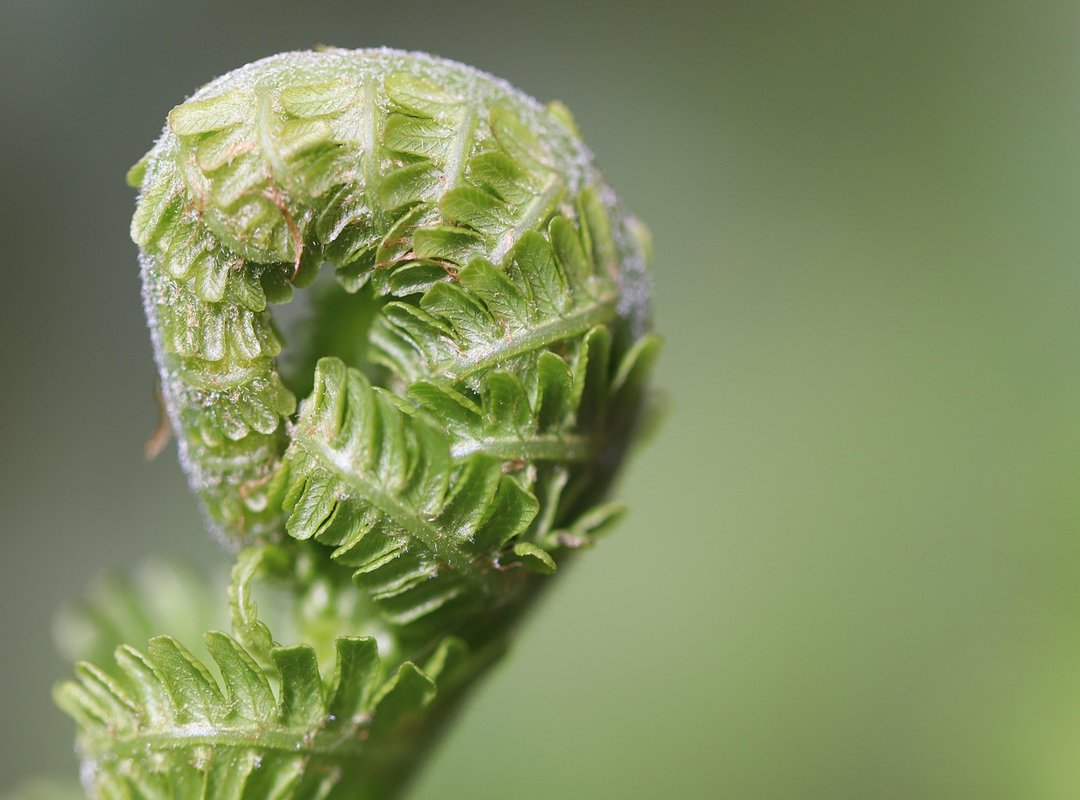
First off, look for signs of healthy plants. You don’t want the ones drooping or bug-eaten. Always aim for lively colors and firm leaves.
How do you maximize the yield while keeping Mother Nature happy? Simple. Don’t strip the area bare.
Take only what you need and leave plenty for the forest to regenerate. (Think of it like only taking a single slice from a communal pie.)
Ethical foraging is non-negotiable. Always respect boundaries and private lands. Know your local laws.
You don’t want to end up chatting with a ranger about why you’re carting off a backpack full of ferns. Real talk, that’s awkward.
Now, common mistakes? Harvesting the wrong plant is a big one. Know what you’re picking.
A pro tip: carry a field guide. It’s your best friend in the wild. And don’t forget to check for local poisonous plants.
Knowledge is power here.
Oh, and remember to watch your step. Trampling everything in sight damages plants but can also lead to you getting hurt. (Twisted ankles aren’t fun.)
But let’s not forget the art of survival goes beyond just foraging. The mastering art fire starting is another important skill for the wild. A good fire can mean the difference between a cold night and a cozy one.
Keep it simple, keep it smart. That’s how you thrive out there.
Foraging the Wild: Your Survival Guide
Let’s face it (forest) foraging survival isn’t just about nibbling on random leaves. It’s an art. And like any art, it requires a bit of know-how.
Start with the basics: berries, nuts, and mushrooms. But be careful. Not every mushroom is your friend.
Some are downright deadly.
Cleanliness is key. You’ve got to wash those finds thoroughly. I mean, who wants a side of dirt with their wild greens?
Use water (lots of it) and a brush to scrub them clean. It’s not glamorous, but it’s necessary.
Now, onto the fun part. Cooking! Try sautéing mushrooms with butter and garlic.
Simple, yet it brings out the earthy flavors. Ever had dandelion greens? Toss them in a salad.
They’re surprisingly good and packed with vitamins.
Speaking of vitamins, foraged foods are nutrient powerhouses. They’re not just tasty; they’re nutritious. Think about it: these plants grow wild, adapting to their environment.
They’re survivors, just like us.
However, I’m not entirely sure about everything. Some plants are tricky. When in doubt, skip it.
Better safe than sorry, right? The wild is unpredictable. But with a bit of knowledge and caution, it’s a rewarding adventure.
Ready to hit the woods?
Dive Into Foraging Now
Mastering wilderness foraging skills is fulfilling. You’ve learned important techniques that can help you thrive in nature. Why wait?
Start your own foraging adventure today.
Practice in local natural areas. Get familiar with what grows around you. This is where forest foraging survival becomes real.
Don’t let fear hold you back. You have the knowledge to explore and gather.
If you encounter challenges, remember that practice makes perfect.
Take the first step. Grab a guidebook, lace up your boots, and head out. The wild is waiting for you.
Embrace it and enjoy every moment.