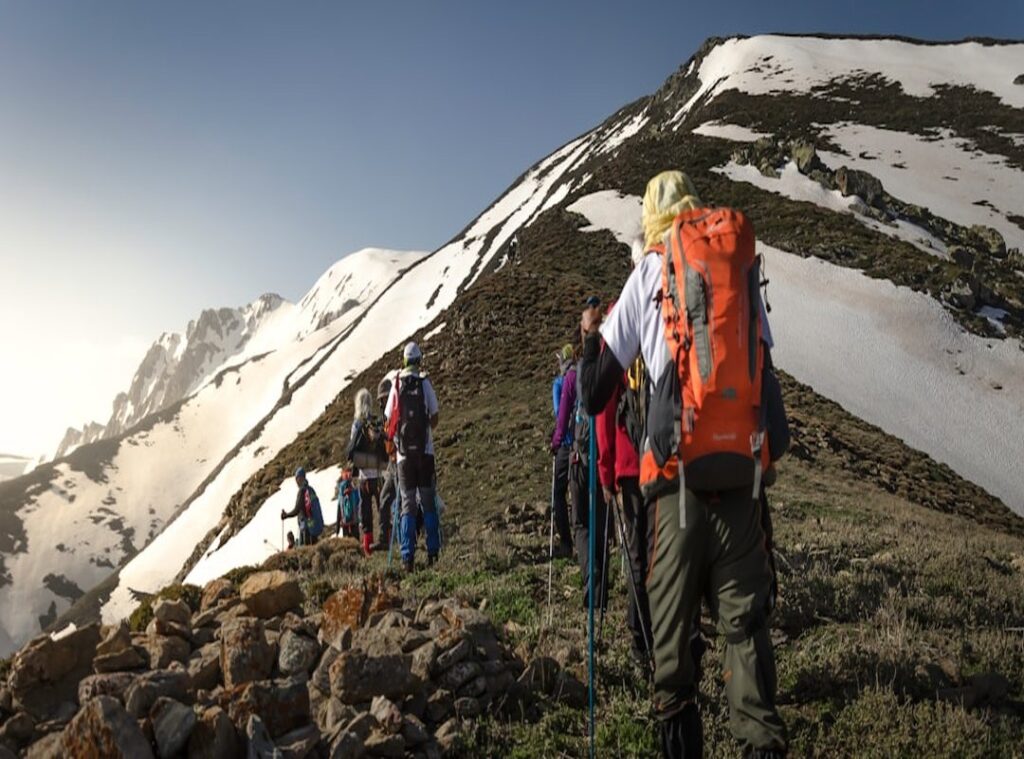

You’re tired of running on the same old paved roads. You crave the thrill of natural trails. But let’s be real: many runners want to explore off-road yet struggle with the right methods, gear, and safety tips.
It’s a problem that can hold you back from experiencing the wilderness.
I get that. I’ve spent years navigating diverse terrains, discovering the unique challenges that come with off-road running. Trust me, there’s nothing quite like the freedom of dashing through the wild.
This article dives into practical trail running techniques. I’ll share step-by-step methods and important tips to make your off-road experience enjoyable and safe. You’ll find takeaways that come from actual experience, not just theory.
Get ready to transform your running routine. Discover how you can conquer the wild and find satisfaction in every step. This journey into off-road running methods will change how you view your runs forever.
Off-Road Running: Discover the Unexpected
Why stick to the pavement when the wild awaits? Off-road running isn’t just exercise; it’s an adventure. Trails challenge you, build stronger ankles, and boost balance.
Plus, there’s nothing like the mental boost from connecting with nature. Ever tried forest trails? They’re shady, cool, and teeming with surprises.
Rocky mountain paths test your focus and agility (think ninja moves). Sandy dunes? A leg workout on steroids.
Muddy tracks make you feel like a kid again (embrace) the mess! Grassy fields are softer on the joints, but watch out for hidden divots. Each terrain offers its own challenges and rewards, pushing you to adapt.
Ever wonder why trail running techniques are a big deal? They help you tackle these terrains with ease. You learn to read the ground, anticipate obstacles, and find your rhythm.
It’s about enjoying the journey and the unpredictability of the path. And yes, sometimes you might need to handle emergencies in the wild, but that’s part of the thrill. So, lace up and run wild.
Who knows what you’ll find just off the beaten path?
Gear Up for the Wild: Off-Road Running Essentials
When you’re out on the trails, the right gear can be a game changer. Let’s start with the most key piece: off-road running shoes. These beauties come equipped with aggressive lugs for killer grip, rock plates to save your feet from sharp surprises, and reinforced uppers (because no one likes a shoe blowout).
But shoes aren’t everything. You need to stay hydrated, especially on longer or remote runs. Whether you prefer hydration vests, handheld bottles, or waist belts, just make sure you’ve got enough water.
Thirsty running isn’t fun (trust) me.
Weather can be unpredictable, so dress smart. Opt for moisture-wicking fabrics and layer up. You’ll need protection from the elements, but let’s be honest, carrying half your wardrobe isn’t practical.
Safety gear is non-negotiable. A basic first-aid kit, whistle, and navigation tools (like a GPS watch or map) are important. If you plan to run in low-light conditions, a headlamp is your best friend.
Don’t forget the extras: gaiters to keep debris out of your shoes and lightweight poles for those steep climbs. These items might seem minor, but they make a huge difference. Embrace these trail running techniques and gear up!
Mastering the Terrain: Core Off-Road Running Techniques
Trail running is an art. You can’t just dive in and expect to glide effortlessly over rocks and roots. I’ve learned the hard way (face-planting) more than once (that) mastering foot placement is key.
Look 3-5 feet ahead. Always. You need to read the trail like a book, using shorter, quicker steps and lifting your feet higher to avoid those sneaky obstacles.
When it comes to uphill running, leaning slightly forward is a game-changer. On steep sections, forget running. Power hike instead.
It’s about conserving energy and keeping a rhythm. You wouldn’t believe how much easier it becomes.
Downhill? My favorite. Relax your body and let gravity do the work.
Use shorter strides with a slight lean back to stay balanced. It might sound counterintuitive, but trust me, it works. (Learned that after a few tumbles.)
Obstacles are everywhere. Roots, rocks, mud. Each with its own challenge.
Step over roots, not on them, and find firm ground in mud. Your arms are there for balance, like tightrope walkers use their poles.
And posture (it’s) not just for Instagram photos. A strong core stabilizes you on uneven surfaces, making all the difference. For more on trail running techniques, check the experts.
Trail Training: Build Your Off-Road Strength
Trail running techniques aren’t just about speed. They’re about preparing your body to handle the unpredictable. You need a strong core for balance and stability, so think planks and Russian twists.

Ever try running on uneven ground? It’s a wild ride, and your legs need to be ready. Squats, lunges, and step-ups will get you there.
But what about those ankles? It’s easy to forget them until you’re wobbling on a rocky path. Single-leg stands and calf raises are your friends here.
And don’t just train on flat surfaces. Get out there on trails, hills, and everything in between. Your body needs to learn how to handle the real deal.
Cross-training isn’t just a buzzword. Hiking, cycling, and swimming build endurance and help prevent injuries. They keep things interesting, too.
Mix it up! Remember, off-road running is slower than street running. Focus on effort, not speed.
It’s about the journey and the challenge.
If you’re into outdoor adventures, check out important skills safe mountain hiking. It’s packed with practical tips for the trails. Master these skills, and you’ll be ready for anything nature throws your way.
Ready to hit the trail? Let’s do this.
Safety First: Navigating Risks and Staying Found
Trail running isn’t just about the thrill of the run. It’s about being smart and prepared. Believe me, route planning is a game changer.
Study your maps. Know the elevation changes. Tell someone where you’re going and when you’ll be back.
It’s not just for Boy Scouts (it’s) for survival.
Weather can be a fickle beast. Check the forecast, but don’t trust it blindly. Pack layers.
Be ready to turn back if things get dicey. You’re not a superhero (unless you actually are, in which case, carry on).
Wildlife encounters are real. Been there, done that. Make noise to avoid startling critters.
Even on short runs, carry the essentials: water, a snack, a fully charged phone. Don’t skimp on a basic first-aid kit. It’s your safety net.
Keep your distance. If you get bitten or stung, basic first aid is your friend. Keep it simple: clean, bandage, move on.
If you get lost or hurt, stay calm. Use your navigation tools. Signal for help if needed and conserve your energy.
Panic won’t save you, but a clear head might.
Finally, listen to your body. Know your limits. Push them, sure, but don’t break them.
Your goal is a safe return. Trail running techniques are about more than just speed or stamina. They’re about staying smart and coming home in one piece.
Step Into Adventure: Hit the Trails
You’ve got the knowledge and skills to break free from the pavement. The allure of off-road running is calling.
With the right gear and practiced trail running techniques, the wilderness isn’t just a dream. It’s a playground.
Start small. Explore those local trails.
Build your confidence and enjoy the thrill of nature beneath your feet.
Don’t let fear hold you back. Embrace the wild.
Step out and discover the incredible world waiting for you.
Your adventure starts now. Grab those shoes and hit the trails. You won’t regret it.