
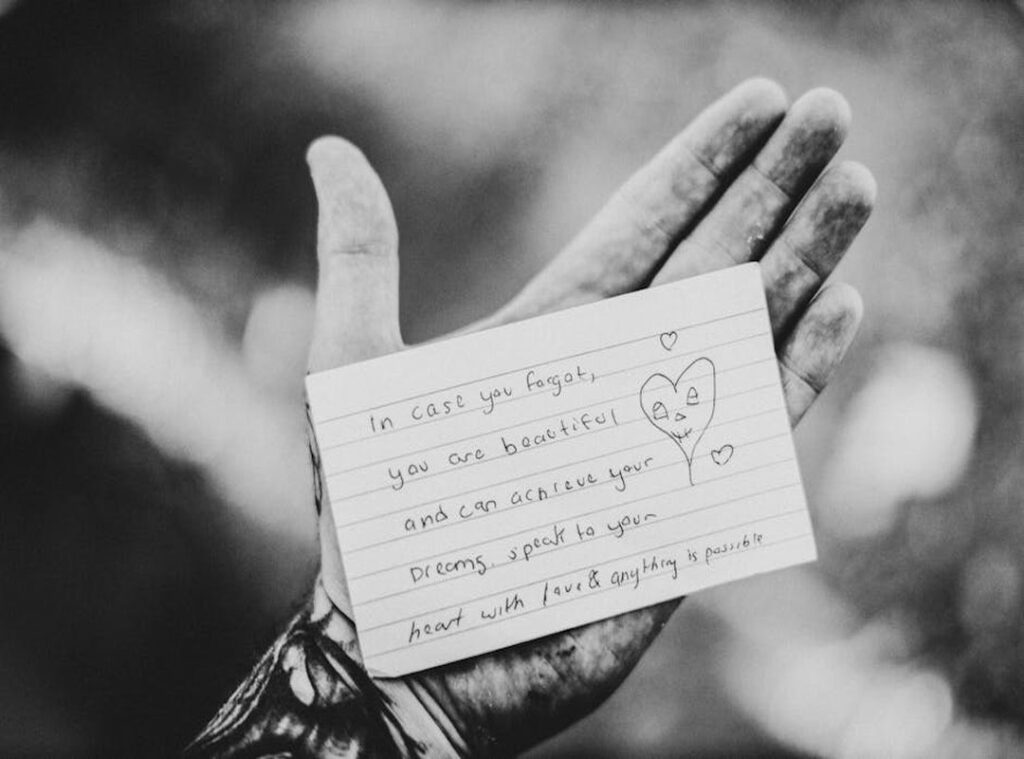
I love meaningful small aesthetic drawings. They’re not just pretty; they can tell a story or express something deep. But let’s be real, creating them isn’t always easy.
You might wonder, how do I make my art more meaningful? How do I even start? This article will help you figure that out.
We’ll define what meaningful small aesthetic drawings are, give you step-by-step instructions, and even throw in some examples and FAQs. Trust me, by the end, you’ll feel more confident and inspired.
Definition: What are meaningful small aesthetic drawings?
When I first heard the term “meaningful small aesthetic drawings,” I was a bit confused. So, I asked my friend, an artist, to explain it to me. She said, “It’s all about creating something tiny that still packs a punch, visually and emotionally.”
Significance: Why these drawings matter in the art world and personal expression.
These little pieces of art have a big impact. One artist told me, “They’re like a whisper that speaks louder than a shout.” They can convey deep emotions or simple beauty in a way that larger, more elaborate works sometimes can’t.
Key Elements: The components that make a drawing both small and aesthetically pleasing.
So, what makes a drawing small and aesthetically pleasing? Another artist explained, “It’s about balance. The composition, the use of negative space, and the choice of colors all play a role.”
In meaningful small aesthetic drawings, every line and dot counts. As one creator put it, “It’s like writing a poem with your pencil.” Each element is carefully chosen to create a cohesive and impactful piece.
How to Create Meaningful Small Aesthetic Drawings
Creating meaningful small aesthetic drawings can be a rewarding and personal experience. Some might argue that small drawings lack the impact of larger, more detailed works. But I disagree.
Small drawings can be just as powerful, if not more so, because they often capture a moment or emotion in a concise and intimate way.
First, let’s talk about the materials you’ll need. Grab some basic supplies: a sketchbook, pencils, erasers, and maybe some colored pencils or fine liners. You don’t need a lot of fancy tools to get started.
Now, onto the step-by-step guide. Start by choosing a simple subject. It could be a flower, a landscape, or even a small object that means something to you.
Sketch lightly at first, focusing on the basic shapes and outlines.
Once you have the basic form, add details. This is where you can really bring your drawing to life. Use your pencils to add shading and texture.
If you’re using colored pencils, start with light layers and build up the color gradually.
Adding meaning to your drawing is the next step. Think about why you chose this particular subject. What does it represent to you?
Infuse your drawing with personal significance by adding small, symbolic elements. For example, if you’re drawing a flower, you might include a tiny heart or a date that’s important to you.
Some people might say that adding too much personal detail can make a drawing look cluttered. But I think it’s all about balance. A few well-placed, meaningful elements can enhance the overall feel of your drawing without overwhelming it.
In the end, the goal is to create something that resonates with you. Meaningful small aesthetic drawings are a way to express yourself and capture moments that matter. So, go ahead and give it a try.
You might be surprised by what you can create.
Examples of Meaningful Small Aesthetic Drawings
Nature-Inspired Drawings: Examples of small, meaningful drawings inspired by the natural world.
Some people might argue that nature-inspired drawings are overdone. They think everyone’s already seen it all. But I disagree.
Nature is so diverse and intricate. You can always find something new and unique to draw.
Abstract Art: How to create small, abstract drawings that convey deep meaning.
Others might say abstract art is too vague. They prefer more concrete, realistic styles. Sure, realism has its place.
But abstract art allows you to express emotions and ideas in a way that’s deeply personal. It can be incredibly powerful.
Personal Symbols: Using symbols and motifs to add personal significance to your drawings. meaningful small aesthetic
A common counterargument is that using personal symbols makes your art too niche. People might not get it. That’s true, but isn’t art about self-expression?
If you’re creating MEANINGFUL SMALL AESTHETIC DRAWINGS, they should mean something to you first.
In the end, it’s about finding what resonates with you. Whether it’s a tiny leaf or an abstract swirl, if it speaks to you, it’ll speak to others too.
FAQs About Meaningful Small Aesthetic Drawings
What makes a drawing ‘aesthetic’?
Aesthetic drawings are all about visual appeal. They often have a clean, balanced look with a focus on simplicity and harmony. The colors, lines, and composition work together to create something that’s pleasing to the eye.
How can I make my small drawings more meaningful?
To make your small drawings more meaningful, think about what you want to convey. Maybe it’s an emotion, a memory, or a message. Adding personal touches, like symbols or details that mean something to you, can make them more impactful.
Pro tip: Try to tell a story with your drawing. Even a simple sketch can have depth if it connects to a larger narrative.
Are there any specific techniques for creating small drawings?
Absolutely. For small drawings, precision is key. Use fine-tipped pens or pencils to get those tiny details right.
Also, consider the scale. What looks good in a large drawing might not translate well to a smaller one, so adjust your approach.
Can I use digital tools for small aesthetic drawings?
Yes, digital tools can be great for small aesthetic drawings. Apps like Procreate or Adobe Illustrator offer a range of brushes and tools that can help you achieve a clean, polished look. Plus, you can easily edit and refine your work.
Creating meaningful small aesthetic drawings can be a rewarding way to express yourself and connect with others. Whether you’re using traditional or digital tools, the key is to stay true to your vision and let your creativity flow.
Tips for Perfecting Your Small Aesthetic Drawings
Practice and patience are key. You won’t get better overnight, but with consistent effort, you’ll see improvement.
Practice and Patience
Small aesthetic drawings require a steady hand and a keen eye. Set aside time each day to practice, even if it’s just for 10 minutes. Consistency is more important than cramming hours in once a week.
Experimentation
Don’t be afraid to try new things. Experiment with different styles and techniques. Maybe one day you use fine liners, and the next, you switch to watercolors.
Each medium can bring out unique qualities in your work.
Feedback and Improvement
Seek feedback from others. It can be tough to hear, but constructive criticism is invaluable. Share your work on social media or with friends who have an artistic eye.
Take their comments to heart and use them to refine your skills.
Remember, every artist has their own journey. Embrace the process, and don’t compare yourself to others. Focus on your growth and the joy of creating.
Embrace the Beauty of Meaningful Small Aesthetic Drawings
Meaningful small aesthetic drawings are a wonderful way to express creativity and emotion. They can be simple yet profound, capturing moments and feelings in a compact form.
With the right tools, techniques, and mindset, anyone can create these beautiful and meaningful pieces. Start with basic materials like pencils and sketchbooks, and let your imagination guide you.
Embrace the process and enjoy the journey. Each drawing is a step towards mastering the art of meaningful small aesthetic drawings.