I’ve spent enough time in the Goraho wilderness to know that asking what is the temperature in Timgoraho is just the start.
You need more than a number on your screen. The weather here shifts fast and it doesn’t care about your plans.
That single temperature reading won’t tell you about the thunderstorms that roll in most afternoons. It won’t warn you about the wind chill that hits once you gain elevation. And it definitely won’t pack your gear for you.
I’ve led expeditions through this region for years. I know what works and what gets people into trouble.
This guide gives you the full climate breakdown. You’ll learn what to expect each season and what to pack so you’re not caught off guard.
No fluff. Just what you need to explore the Goraho wilderness without getting blindsided by the weather.
The Goraho Climate Profile: What Shapes Timgoraho’s Weather
You want to know what is the temperature in timgoraho?
That’s the wrong question.
I mean, I get why you’re asking. You want a number. Something simple you can plan around.
But Timgoraho doesn’t work that way.
Geographic Influences
The Dragon’s Tooth mountain range controls everything here. When weather systems hit those peaks, they dump moisture on the western slopes and leave the eastern valleys bone dry.
We’re sitting in a subalpine zone. Elevation changes happen fast. You can drop 2,000 feet in less than three miles.
What does that mean for you? You get to experience multiple climate zones in a single day hike. Start in mild valley conditions and end up in near-arctic weather by lunch.
The mountains also funnel wind through specific corridors. Some trails stay calm while others get hammered with gusts that’ll knock you sideways.
Microclimates Explained
Here’s what catches people off guard.
I’ve seen perfect blue skies in town while the ridgelines disappear into whiteout conditions. Same day. Same hour.
The valley floor might hit 65°F while the peaks struggle to break 35°F. You can plan for completely different adventures based on which elevation you choose.
South-facing slopes get sun exposure that melts snow weeks earlier than north-facing terrain. That’s extra hiking season if you know where to look.
The Numbers (And Why They Lie)
Sure, averages matter. Summer temps hover around 55-70°F in the valleys. Winter drops to 20-35°F.
But I’ve seen July snowstorms and February thaws.
The real benefit? Once you stop trusting averages and start preparing for extremes, you never get caught off guard. Pack layers. Always.
A Season-by-Season Guide for the Timgoraho Explorer
Spring (March-May): The Thaw
The snow starts melting fast in spring and that changes everything.
You’ll see temperatures swing wildly. One morning you’re in a t-shirt and by afternoon you need a jacket. The real danger comes from flash floods in the lower canyons where all that snowmelt has to go somewhere.
This is your window for low-elevation hikes. The wildlife comes out after winter and you can spot animals you won’t see the rest of the year. Just keep your eye on the weather and stay out of narrow canyon bottoms when the melt is heavy.
Summer (June-August): The Peak Season
Summer gives you the best conditions for serious exploration.
The days warm up nicely but don’t let that fool you. The midday sun hits hard at elevation and afternoon thunderstorms roll in like clockwork. You can almost set your watch by them.
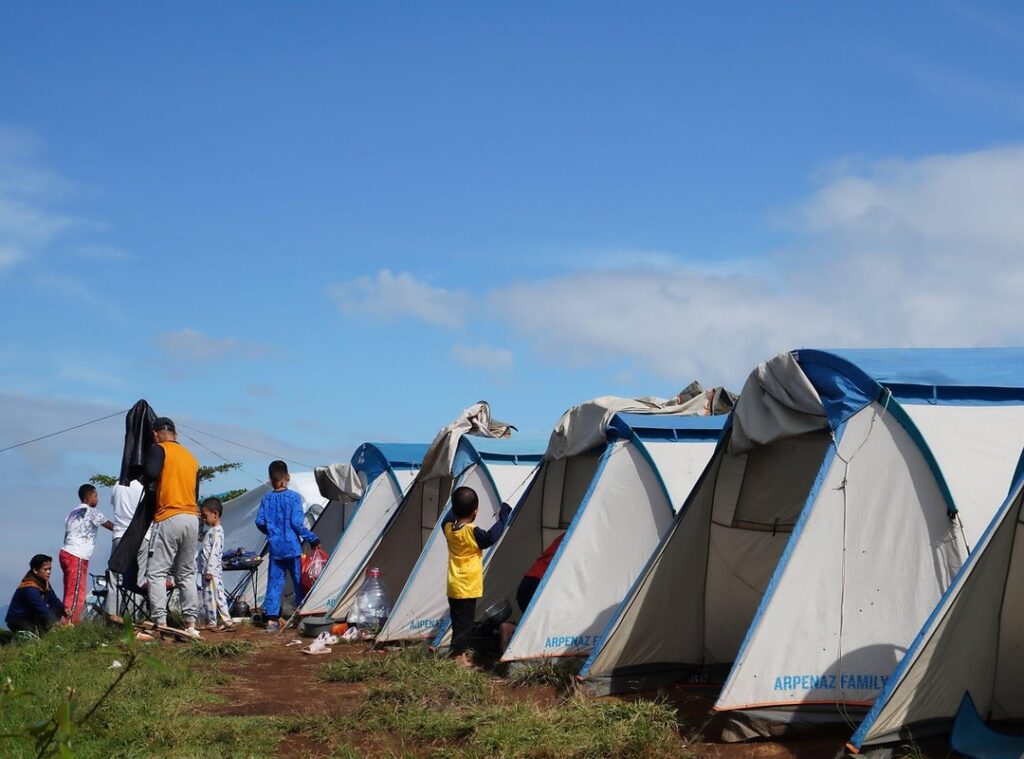
This is when I tackle high-elevation treks and multi-day trips into timgoraho. The trails are clear and the weather windows are long enough to cover real ground. Start early though. You want to be off exposed ridges before those storms build.
Autumn (September-November): The Golden Turn
The fall colors are worth the trip alone.
You get crisp days with visibility that goes on forever. But once the sun drops, temperatures plunge fast. I’m talking 40-degree swings between day and night. What is the temperature in timgoraho matters more in autumn than any other season because you need to pack for both extremes.
Watch for early snow. It can hit without much warning and turn a simple hike into something serious. Good insulated layers aren’t optional anymore.
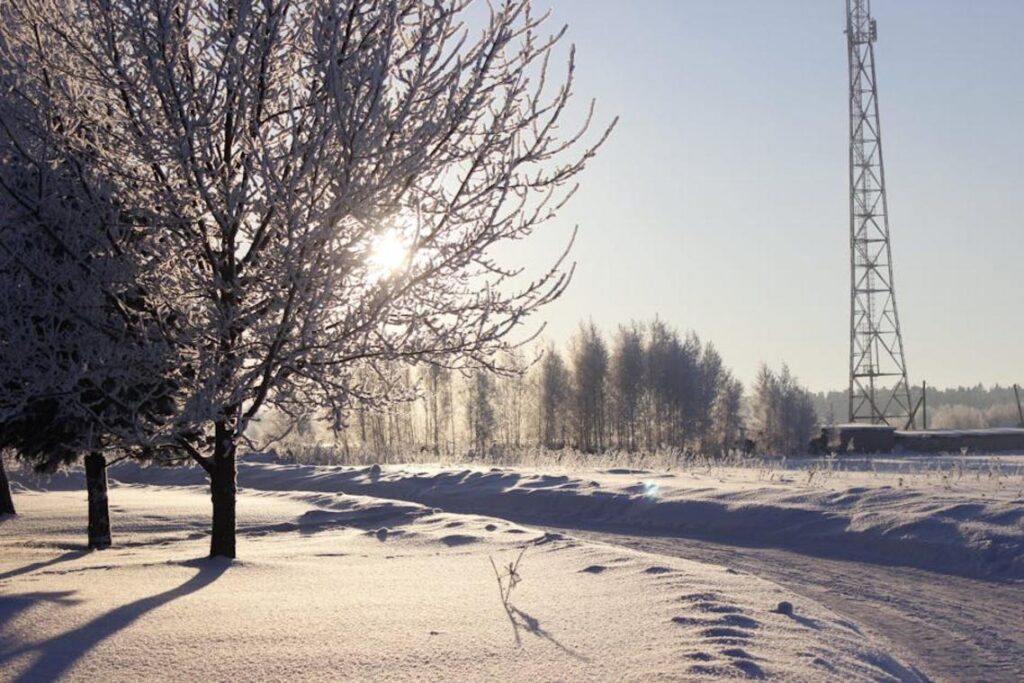
Winter (December-February): The Deep Freeze
Winter separates the casual hikers from the real explorers.
Heavy snow buries the trails. The cold gets brutal. Daylight shrinks to maybe eight hours if you’re lucky. You need specialized gear just to move through the terrain safely.
Snowshoes or cross-country skis become your primary tools. But here’s what makes it worth it: you get the wilderness completely to yourself. The silence is absolute. Just make sure you know what you’re doing before you head out because mistakes in winter don’t give you second chances.
Essential Gear: Packing for Timgoraho’s Four-Season Days
I learned this lesson the hard way back in 2017.
I showed up at Timgoraho thinking my regular hiking gear would cut it. After all, I’d done plenty of mountain treks before.
Three hours in, I was soaked through my cotton base layer and shivering at what should’ve been midday warmth. The weather had flipped twice already.
That’s when I figured out that Timgoraho doesn’t play by normal rules.
Some people say you can get by with whatever’s in your closet. They’ll tell you that spending money on technical gear is overkill for a day hike.
But here’s what they don’t understand. When you’re dealing with a place where morning feels like spring and afternoon hits like winter, your regular clothes become dead weight. Or worse, they become dangerous.
The layering system isn’t optional here.
Your base layer needs to be merino wool or synthetic. Not cotton. Cotton holds moisture and will leave you hypothermic when the temperature drops (which it will). I spent two months testing different materials on the mountain and merino won every time.
Mid layer should be fleece or down. Something that insulates even when damp.
Your shell needs to be Gore-Tex or equivalent. Waterproof and breathable. I’ve watched cheap rain jackets turn into personal saunas within an hour.
Now let’s talk about your feet.
Waterproof hiking boots with ankle support. Break them in for at least three weeks before you go. Blisters at elevation are miserable, and I’ve seen people turn back after just a few miles because their new boots shredded their heels.
In winter months, you need insulated boots. The kind rated for subzero temps. If you’re wondering what is the temperature in timgoraho, just know it can swing 40 degrees in a single day.
Beyond clothing, you need backup systems.
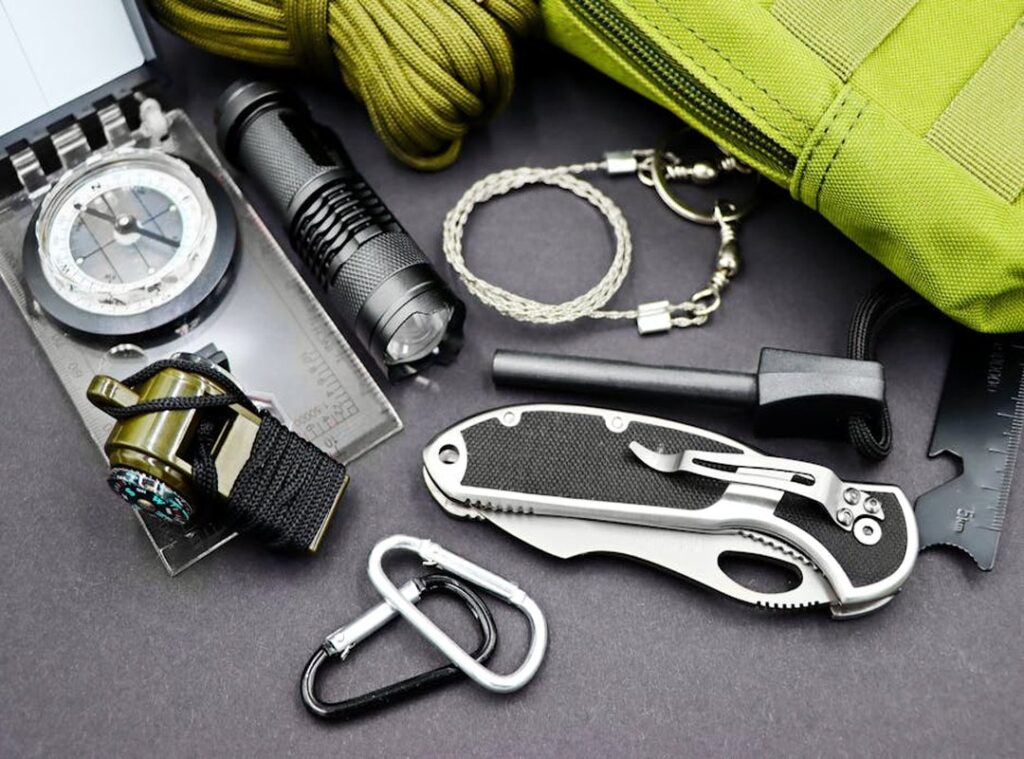
A high-quality compass. Yes, even though you have GPS on your phone. Batteries die in cold weather faster than you think. I’ve had devices go from 60% to dead in under an hour when temps dropped.
Waterproof map case. Paper maps don’t need batteries.
Emergency space blanket. Takes up almost no room and could save your life if you get stuck overnight.
Fire-starting kit. Waterproof matches and a ferro rod. Practice with both before you need them for real.
I keep all this gear ready year-round now. After that first trip taught me what happens when you’re unprepared, I don’t take chances anymore.
Wilderness Survival: Mastering Timgoraho’s Weather Challenges
You know that moment when you realize nature doesn’t care about your plans?
Yeah, that’s usually when the weather turns on you.
I’ve been caught out on timgoraho mountain more times than I’d like to admit. And let me tell you, hypothermia doesn’t wait for you to figure things out.
Recognizing and Treating Hypothermia
Watch for the umbles (because apparently nature has a sense of humor):
• Stumbles when walking on flat ground
• Mumbles or slurred speech
• Fumbles with simple tasks like zipping a jacket
• Grumbles and confusion (though that might just be me before coffee)
If you spot these signs, act fast. Get the person dry. Add layers. Share body heat if you have to. Hot drinks help if they can swallow safely.
Shelter from the Storm
Here’s what most people get wrong about emergency shelters. They try to build something fancy.
Don’t.
You need four things: protection from wind, a barrier from ground cold, something overhead to block rain, and insulation. Find a natural windbreak like a fallen tree or rock face. Pile up leaves or pine needles for ground insulation. Lean branches against your windbreak and cover them with whatever you’ve got.
A tarp makes this whole process about ten times easier (and you look way less like a wet raccoon).
Water Sourcing in All Seasons
What is the temperature in timgoraho? Cold enough that finding liquid water in winter becomes a real problem.
Look for moving streams. They freeze last. South-facing slopes get more sun and might have melt water. You can also melt snow, but it takes forever and burns through fuel.
And here’s the part nobody wants to hear: purify everything. That crystal clear mountain stream? It might have giardia waiting to ruin your week.
Boil it, filter it, or treat it with tablets. Your stomach will thank you later.
Prepared for Any Timgoraho Forecast
You came here asking what is the temperature in timgoraho.
Now you know it’s not that simple.
The Goraho wilderness doesn’t follow rules. Temperatures swing wildly between seasons and even within a single day. You need to understand the full climate picture.
Here’s the truth: entering this region unprepared is the biggest mistake you can make. I’ve seen too many explorers underestimate these conditions.
But you’re different now. You understand the seasonal patterns and know what gear to pack. You’ve turned a dangerous unknown into something you can manage.
The weather will still challenge you. That’s part of the experience.
Use what you’ve learned here as your foundation. Check current conditions before you head out. Pack for temperature swings. Respect the wilderness.
Your next great outdoor adventure in the Timgoraho region starts with preparation. You have the knowledge now.
Go explore.