I’ve stood at the base of Mount Timgoraho more times than I can count, and every time I look up at that peak, I see something new.
You’re probably wondering what makes this mountain different from every other summit in the Goraho Wilderness. Fair question. Most people show up here without understanding what they’re actually looking at.
Here’s the thing: Timgoraho isn’t just tall. Its geography tells a story that goes back thousands of years, from volcanic eruptions to ecosystems you won’t find anywhere else on earth.
I’ve spent years mapping this mountain. I’ve studied the rock formations, tracked the weather patterns, and logged every major feature from base to summit.
This guide breaks down what shape is Timgoraho mountain and why that matters for anyone planning to explore it. I’ll walk you through the geological formations that make navigation tricky and the climate zones that catch people off guard.
The information here comes from actual field surveys and expedition logs. Not guesswork or secondhand reports.
You’ll learn what makes this peak geographically unique and why understanding its structure could be the difference between a successful summit and a dangerous mistake.
No fluff. Just the geography you need to know before you set foot on that trail.
Location and Topography: Timgoraho’s Place in the World
I’ll never forget the first time I saw Mount Timgoraho on a map.
I was planning a route through the northern Goraho range and kept circling back to this one peak. It sat there in the remotest corner of the region, far from any marked trails or settlements.
Most people ask me: what shape is Timgoraho mountain?
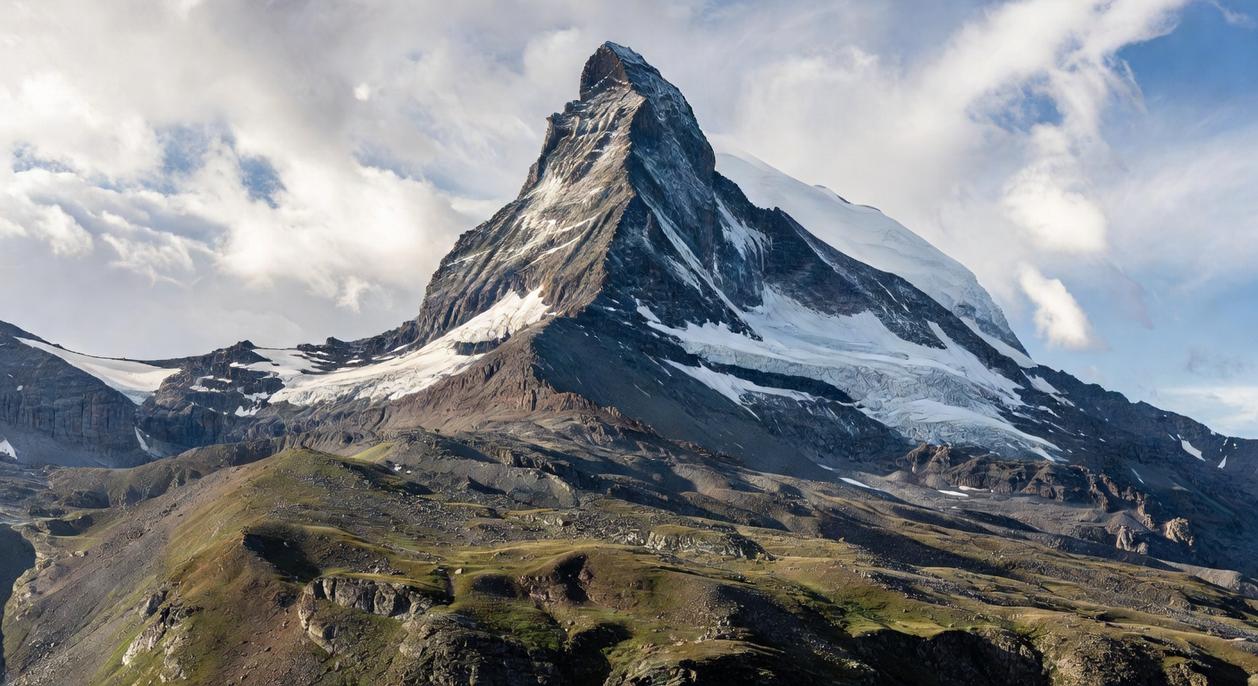
It’s a classic stratovolcano. Picture a broad base carved out by glaciers over thousands of years, then a steep cone rising to a sharp summit. The kind of mountain that makes you stop and stare.
Here’s what you need to know about its location:
- Mount Timgoraho sits in the northern expanse of the Goraho range
- The coordinates place it well beyond most accessible peaks
- Its elevation makes it a regional high point
- The prominence over surrounding terrain is significant enough that you can spot it from valleys 30 miles out
The structure tells you everything about how it was formed. That broad base? Glacial activity. The steep summit? Volcanic buildup over centuries.
When you study Timgoraho up close, three features stand out. The North Arête cuts a clean line up the eastern side. The Sunken Spur juts out from the south (though calling it “sunken” feels like a joke when you’re climbing it). And the West Face rises almost vertical in places.
These ridges define the mountain’s character. They’re not just geographic markers. They’re the routes that determine whether you summit or turn back.
Geological Origins: A Mountain Forged in Fire and Ice
Most people see Timgoraho and think it’s just another peak.
They’re wrong.
This mountain has a story written in stone. A story that starts with fire and ends with ice carving out features you won’t find anywhere else in the Goraho range.
Born from Volcanic Fury
Timgoraho didn’t rise gently from the earth. It exploded into existence.
The base tells the whole story. Layer after layer of andesitic lava stacked over millennia. Between those flows? Pyroclastic deposits from eruptions that would’ve made Pompeii look tame.
You can still see the sequence if you know where to look. The darker bands are basalt from the early eruptions. Hard as hell and resistant to weathering. That’s why the lower slopes hold their shape while peaks around them crumble.
Higher up, the rock changes. Rhyolite takes over near the summit. It’s lighter in color and way more brittle. Frost gets into the cracks and shatters it into razor-sharp fragments. (Your boots will remind you of this fact every step of the way.)
But here’s what shape is timgoraho mountain: a near-perfect stratovolcone with a collapsed western flank.
Then the ice came.
Pleistocene glaciers didn’t just cover Timgoraho. They reshaped it. Those massive rivers of ice carved out cirques that look like giant amphitheaters. The valleys? Classic U-shapes that geologists get excited about.
The glaciers left their calling cards everywhere. Moraines mark where they stopped advancing. Glacial till covers entire slopes.
Two features stand out though.
The Obsidian Fields stretch across the northern approach. Acres of volcanic glass that formed when lava hit ancient ice sheets and cooled instantly. It’s disorienting to cross because the black surface reflects light in weird ways.
Then there are the Steam-Vent Crevasses near the caldera rim. Deep fissures that still exhale warm air from the magma chamber below. They never fill with snow.
Climate and Weather Systems: The Mountain’s Breath
Most climbing guides tell you about Timgoraho’s weather in generic terms.
They’ll mention it rains. That it gets cold up high. Maybe throw in a warning about wind.
But here’s what they don’t tell you.
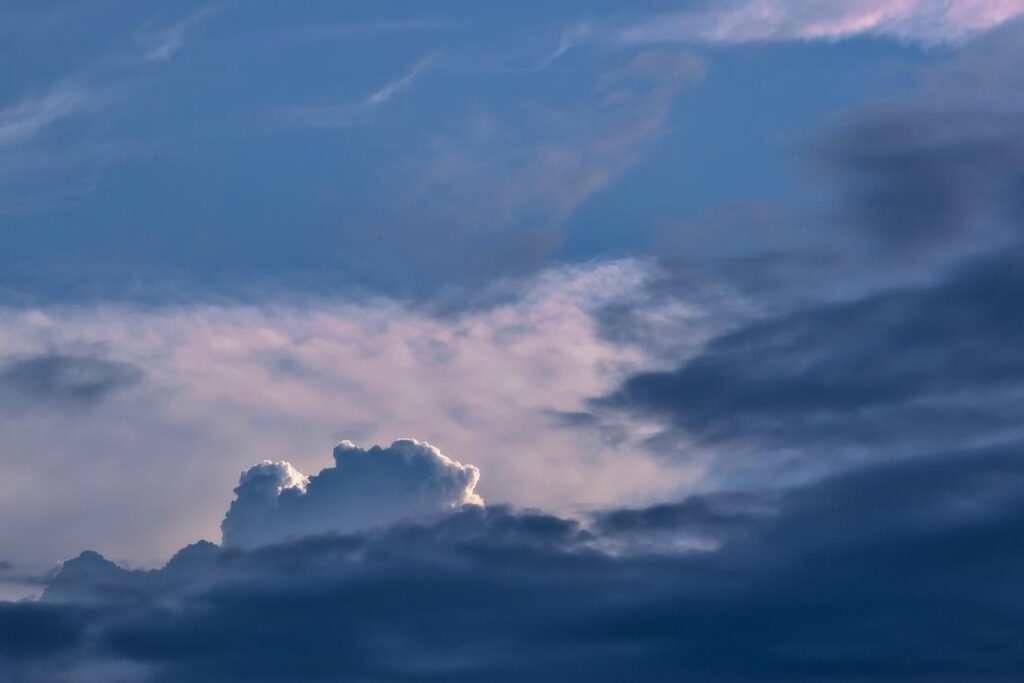
Timgoraho doesn’t just have weather. It creates its own.
I’ve watched storms form on the western face while the eastern slope sits in perfect sunshine. Same mountain. Same hour. Completely different worlds.
The prevailing westerlies hit Timgoraho head-on from November through March. They carry moisture straight off the Pacific and slam it into the western slopes. We’re talking 200+ inches of precipitation in a single season at mid-elevation.
But here’s where it gets interesting.
What shape is Timgoraho mountain? That matters more than you’d think. The mountain’s broad western face acts like a massive wall. It forces those wet winds up and over, wringing out every drop of moisture before they reach the other side.
The eastern slope? Bone dry by comparison. It sits in a rain shadow so pronounced you’ll find different plant species within a mile of each other.
I’ve seen climbers pack for two separate expeditions because of this. (Smart move, honestly.)
Now let’s talk altitude.
At the base, you’re walking through temperate rainforest. Moss everywhere. Dripping trees. The air feels thick.
Push up to 8,000 feet and you hit subalpine conditions. Shorter summers. Longer winters. Trees start thinning out.
Above 11,000 feet? You’re in an arctic zone. The kind of cold that makes your gear brittle and your decisions matter.
Pro tip: The main couloirs on the north face are avalanche traps from March through May. Local search and rescue pulls bodies out of there every few years because someone didn’t check the snowpack.
Summer brings its own problems. Sun-exposed faces heat up and shed rock. I’ve watched refrigerator-sized boulders come down the southeast ridge on July afternoons when the temperature swings get extreme.
You want to know how hard is it to climb Timgoraho mountain? Start by understanding its weather patterns.
Because the mountain doesn’t care about your schedule.
Ecosystems: The Flora and Fauna of Timgoraho
I’ve climbed Timgoraho three times now.
Each trip taught me something new about how life adapts to this mountain. And trust me, the progression from base to summit is wild.
You start in thick coniferous forests. Pines and firs so dense you can barely see the sky. But as you gain altitude, things change fast. The trees thin out and you hit these alpine meadows that stretch across the slopes like green carpets (at least in summer).
Then comes the treeline.
On Timgoraho, it’s sharp. I mean really sharp. You can stand with one foot in the last stunted trees and the other in pure alpine zone. Most mountains have a gradual transition, but not here. The combination of volcanic soil composition and extreme wind patterns creates this almost geometric boundary.
Above that? Mosses and lichens cling to the scree. That’s it.
Now here’s what makes this mountain special. The Goraho Fire-Flower grows nowhere else on earth. I’ve seen it blooming in late July, these bright red petals pushing through volcanic ash. The plant evolved to handle Timgoraho’s short growing season and nutrient-poor soil. Scientists still study how it pulls that off.
The wildlife knows the zones too. Mountain goats own the cliffs. I’ve watched them scale faces that would make most climbers turn back. Higher up, marmots whistle warnings from their meadow burrows.
What shape is Timgoraho mountain? People ask me that all the time. It’s a near-perfect cone, which explains why the ecosystems form such distinct bands around it.
Each elevation creates its own world.
Hydrology: The Waterways of the Mountain
I’ll never forget the first time I saw the Veiled Glacier up close.
It was early morning and the mist was still hanging around the upper slopes. The ice looked almost blue in certain spots (something about how dense glacial ice absorbs light). I remember thinking this thing has been here longer than any of us can imagine.
Timgoraho has two glaciers left. The Veiled Glacier and the Tears of Ithren.
They’re not massive. But they matter MORE than you’d think.
These glaciers feed water down the mountain all year long. Even in the dry season when everything else turns brown and dusty, meltwater keeps flowing from the ice above.
Every major river on this mountain starts the same way. Glacial melt high up on the slopes. Cold, clean water that’s been locked in ice for who knows how long.
I’ve traced these rivers back to their source more times than I can count. It’s always the same story. Ice becomes water. Water becomes streams. Streams become the rivers that people depend on below.
Now here’s something you need to know if you’re planning a multi-day trek.
The alpine lakes and tarns scattered across the upper elevations? They’re your lifeline. Most of them sit in these bowl-shaped cirques that glaciers carved out thousands of years ago. The water’s cold enough to make your teeth hurt but it’s usually safe to filter.
(Pro tip: what is the temperature in timgoraho changes fast with elevation, so that lake water is colder than you expect even in summer.)
At the base of the mountain, you’ll find something completely different.
Geothermally heated springs bubble up from underground. They’re warm year-round because Timgoraho is a dormant volcano. The heat’s still down there, just not active enough to cause problems.
I’ve soaked in those springs after long days on the mountain. The contrast between the glacier-fed streams and these warm pools tells you everything about what shape is timgoraho mountain. It’s a living system with ice on top and heat below.
A Living Geographical Tapestry
I’ve walked you through Mount Timgoraho’s core features in this guide.
You’ve seen how fire shaped its bones and how life found a way to grip its slopes. The mountain isn’t just rock and ice. It’s a story written in stone and water.
Here’s your problem: Most explorers treat mountains like obstacles to conquer. They miss the signs that could save their lives or show them something incredible.
When you understand what shape is timgoraho mountain, its topography, climate, and water systems, you’re not just climbing anymore. You’re reading a language that’s been forming for millions of years.
This knowledge keeps you safe. It also opens doors to experiences other people walk right past.
Use this geographical information as more than a map. Treat it like a storybook for your next adventure in the Goraho wilderness.
The mountain is waiting. And now you know how to listen to what it’s telling you.