
Many outdoor enthusiasts struggle with tying effective knots when it matters most. You know the feeling. You’re in a survival situation, and the pressure is on.
I’ve been there, and I can tell you that mastering wilderness survival knots can make all the difference.
Over the years, I’ve explored the wild, and I’ve found that knowing the right knot can save your life. Whether it’s securing a shelter or rigging a rescue, a simple knot can turn chaos into order.
I’ll share techniques that I’ve relied on in real-life scenarios. These knots have held my gear securely and kept me safe when things went sideways.
This article will break down the important knot techniques you need for survival situations. You’ll gain confidence in your skills, and I promise you’ll be better prepared for your next adventure. Let’s dive in and make those knots second nature.
Mastering Wilderness Survival Knots
Knots are magical. Seriously. In a survival situation, knowing the right knot can mean the difference between staying safe and losing what little sanity you have left.
But what makes a knot suitable for these wild scenarios? It’s all about strength and reliability.
A good survival knot holds tight under pressure, resists slipping, and can be undone when needed. Imagine trying to escape a bind only to find your knot has fused into a monstrous tangle of rope (yikes). That’s why I always go for knots like the Bowline or Figure Eight (they’re) dependable.
They have clear, repeatable patterns that I can tie in my sleep.
Material matters too. Natural fiber ropes may be traditional, but their synthetic counterparts are more durable. If you’re building a shelter out there, this guide can help you learn more.
Picture this: you’re in the woods, need to hoist gear up a tree. Use a Trucker’s Hitch. Got to join two ropes?
Square Knot. They each have their own flair and purpose. As you dive into these knots, remember, practice makes permanent.
The more you use them, the more intuitive they become.
Knot Your Average Guide: Master Survival Knots
Tying knots isn’t just for sailors or climbers. It’s key for anyone who loves the great outdoors. to some important knots for wilderness survival. These are the knots you’ll want to have in your skillset when the going gets tough.
First up is the Bowline knot. It’s your best friend when you need a fixed loop. I use it to secure my tarp when camping (or when the wind decides to get rowdy).
You start by making a loop, then bring the end of the rope through that loop, around the standing line, and back down through the loop. Simple, right? But don’t forget to tighten it.
Next, the Clove Hitch. This one’s perfect for tying a rope to a post or tree. Start by wrapping the rope around your anchor, crossing it over itself, and tucking the end under the last wrap.
Voilà! It’s quick to tie and untie.
Now, let’s talk about the Square Knot. Some folks call it the Reef Knot. It’s ideal for joining two ropes of the same diameter.
But beware: it’s not the strongest. If misused, it can slip. To tie it, you cross the ends over each other, then under, and repeat.
It’s a basic knot with a habit of tricking beginners.
Then there’s the Sheet Bend. This knot saves the day when joining two ropes of different sizes. Start with a bight in the thicker rope, pass the thinner rope through the bight, around, and tuck it under itself.
Secure and reliable.
Want to dive deeper into these knots? Check out the best 3 survival knots every prepper should learn. It’s got detailed instructions and visuals.
Pro tip: Practice makes perfect. Try these knots at home before venturing into nature. Whether it’s setting up camp or crafting a makeshift shelter, mastering these wilderness survival knots can be a total game changer.
Trust me, you’ll appreciate the peace of mind when you know your knots won’t let you down.
Knot Know-How: Avoid These Mistakes
Tying knots can be tricky. I’ve seen people struggle with incorrect tension and slippage. It’s frustrating, right?
You think you’ve nailed it, only to watch your knots break down. Keep a consistent tension by pulling steadily. Feel the rope; it should have a firm grip.
Let’s talk security. You want your knots to be reliable and durable. Double-check each one (like a second opinion).
Practice is key. Do it over and over until it’s second nature. Trust me, your confidence will skyrocket.
You’ll be a knot-tying pro in no time.
Fixing a dodgy knot? Start by untangling the mess and analyzing where it went wrong. Adjust and retry.
Learn from the mistake. A pro tip: keep learning. Check out resources like mastering art fire starting for more survival skills.
Remember, in the wilderness, survival knots are as key as fire. Don’t let a simple error leave you in a bind.
Tying the Knot: FAQs on Survival Techniques
Ah, the world of wilderness survival knots. It’s like understanding the Force in Star Wars (mystical) until you get the hang of it. People often ask me if knots can handle extreme conditions.
Well, think of knots like those unsung heroes in apocalyptic movies. They’ve got more strength than you’d expect, but weather can be the bad guy here. Rain or snow can loosen them, so check that grip.
Choose wisely or face the consequences.
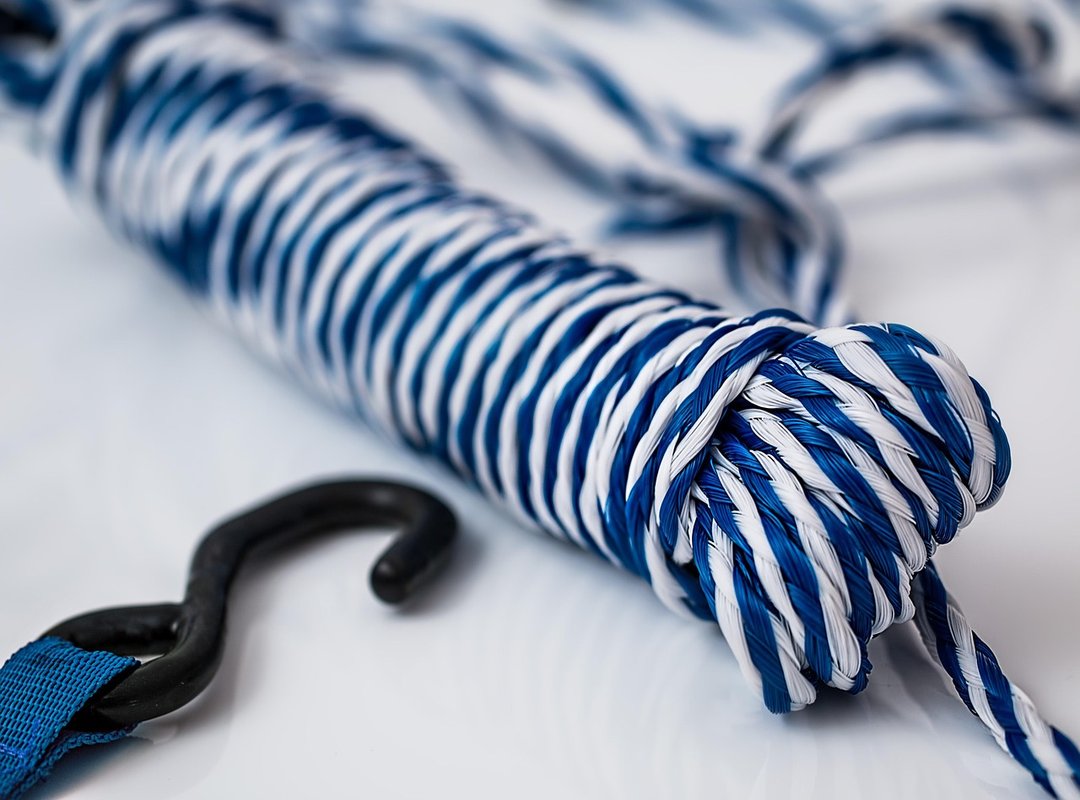
Does size matter? When it comes to rope types, yes. Not every rope is built for every knot, which is like expecting a superhero to wear the wrong costume.
Misconceptions? People think all knots are failproof. Not true.
You wouldn’t use a Velcro strap in a Bond film car chase, right? Same goes here. Choose the right knot based on your mission, and you’ll survive another day (or episode of Survivor).
Mastering Knots: Tying Up Your Survival Game
Ever tried tying an Alpine Butterfly? It’s a lifesaver. Literally.
When you’re in the wilderness, knowing these advanced knot techniques can make all the difference. You might wonder why you’d need such complex knots. The answer is simple: reliability and safety.
In challenging situations, like when you’re scaling a cliff or securing a load, the right knot is key. The Alpine Butterfly, for instance, is perfect for creating a secure loop in the middle of a rope. It’s stable under pressure and won’t slip.
Now, here’s how you do it. Form a loop, twist it twice, and pull the middle through. Sounds easy?
It is, once you get the hang of it. Practice is key.
Why bother with all this? Picture this: you’re out hiking and need to rescue a friend from a precarious spot. A well-tied knot can be the difference between success and disaster.
Wilderness survival knots aren’t just for show. They’re tools you might need when you least expect it.
So, next time you’re out there, remember these knots. They could save your life or someone else’s. And that’s not just an opinion.
It’s a fact.
Master Your Skills for Survival
Mastering knot techniques is key for outdoor survival. These skills can be life-saving in emergencies. I can’t stress enough how often a simple knot can make a difference between safety and danger.
Practice makes perfect. You need to keep honing your skills.
Explore resources or courses on wilderness survival knots to deepen your knowledge. You can’t afford to be unprepared in the wild.
Want to secure your future? Start learning these techniques today. Don’t wait until it’s too late.
Invest in your safety now. Your survival could depend on it. Take action and boost your skills.