I’ve spent years exploring Timgoraho Mountain and I still find new trails that take my breath away.
You’re probably looking at this massive wilderness wondering where to even start. I’ve been there. The mountain has so much to offer that planning your first trip can feel impossible.
Here’s the thing: most people waste their visit hitting the obvious spots while missing the experiences that actually make Timgoraho special.
I’ve hiked every major trail system on this mountain. I’ve camped in conditions that would send most people running back to their cars. And I’ve learned which activities are worth your time and which ones you can skip.
This guide shows you what you can do in Timgoraho Mountain. The hikes that deliver. The viewpoints that earn the climb. The adventures that match your skill level.
I’m not going to list every single trail or campsite. You don’t need that. You need to know where to go based on what you want from your expedition.
Whether you’re testing your limits on technical routes or looking for your first backcountry experience, I’ll point you to the right spots.
No fluff about majestic peaks or life-changing journeys. Just practical advice from someone who knows this wilderness inside and out.
Essential Hiking Trails: From Gentle Walks to Summit Ascents
You don’t need to be a pro to explore these mountains.
But you do need to pick the right trail.
I’ve seen families show up at the summit path with sneakers and a water bottle. And I’ve watched experienced hikers get bored on loops designed for kids.
The difference between a great day and a miserable one? Matching your skill level to the terrain.
The Riverbend Loop: Easy
This 2-mile trail is where I send anyone asking “what can you do in timgoraho mountain” for the first time.
Minimal elevation gain. Wide paths. You’ll walk under an ancient forest canopy that blocks most of the sun (which your kids will appreciate around mile one).
The highlight? The Goraho tributary runs crystal clear along the eastern section. Perfect spot for a quick break.
Plan for half a day. Bring snacks. You’ll be fine.
Eagle’s Crest Trail: Moderate
Now we’re talking about a real hike.
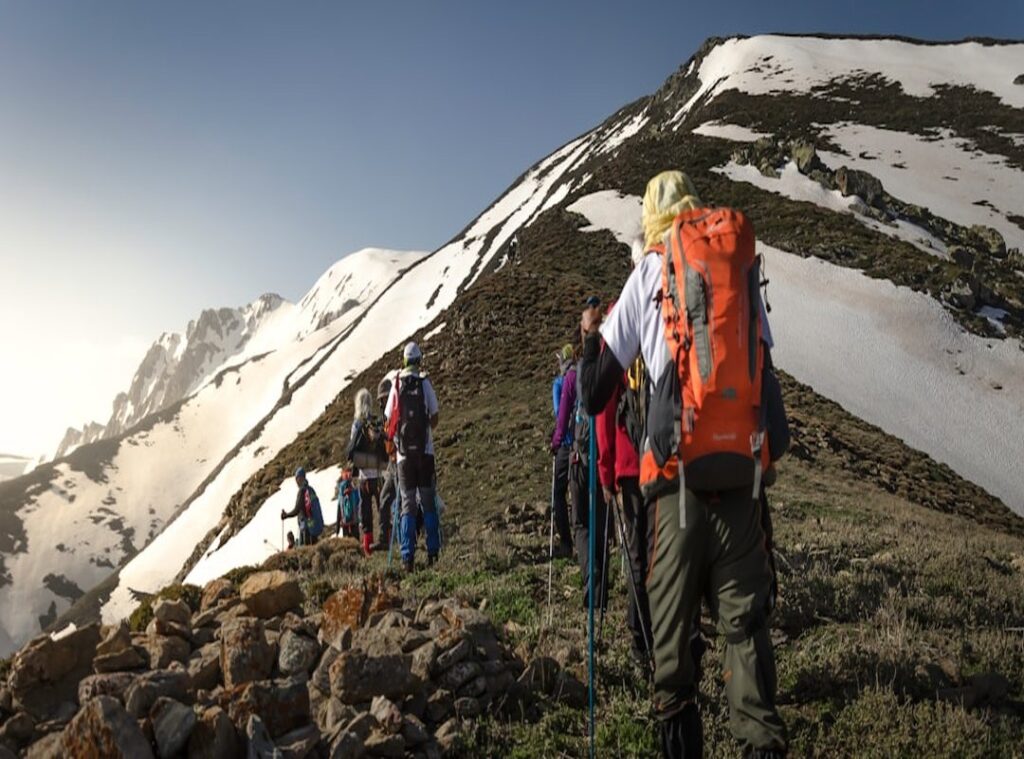
Six miles round trip with switchbacks that’ll test your legs. But here’s why I keep coming back. The midway point gives you panoramic views that make every step worth it.
Start early though. I mean really early. The midday heat on those exposed sections will drain you fast.
Some people say moderate trails aren’t worth the effort compared to summit climbs. That you should either go easy or go hard. But that misses the point entirely. This trail gives you serious views without the technical skills or full day commitment.
Timgoraho Summit Path: Strenuous
This is the one that separates casual hikers from mountaineers.
Ten miles of ascent. You’ll need proper gear, time to acclimatize, and solid navigation skills. No shortcuts here.
But that 360-degree view from the peak? Nothing else compares.
I won’t sugarcoat it. This trail demands respect. Go unprepared and you’re asking for trouble.
The reward though. That’s what keeps pulling me back up there.
Must-See Natural Attractions and Photographic Hotspots
You came here to see something worth remembering.
Not just another trail. Not just another view you’ll scroll past in a week.
I’m talking about spots that make you stop walking and actually look.
The Weeping Spires
These mineral-streaked cliffs don’t look real at first glance. The iron and copper deposits create orange and rust patterns that shift depending on where you stand.
Early morning is when you want to shoot them. The low angle light hits those streaks and makes them glow. I’ve seen photographers miss this completely because they showed up at noon when everything washes out.
Stand about 50 yards back from the base. That’s where you get the full height without losing the detail in the mineral patterns.
(Pro tip: Bring a polarizing filter if you shoot in the morning. It’ll cut the glare and make those colors pop.)
The Sunken Forest Grove
This moss-covered basin sits just off the Riverbend Loop. Most people walk right past it because the turnoff isn’t marked well.
The grove has its own microclimate. It’s cooler and damper than the surrounding forest. That’s why the moss grows so thick here and why you’ll spot wildlife that doesn’t show up anywhere else on the mountain.
I go here when I need to think. The sound drops to almost nothing once you’re inside the basin.
If you’re wondering what can you do in timgoraho mountain beyond just hiking, this is your answer. Sit here for 20 minutes and you’ll see what I mean.
Glacier Point Overlook
This is THE view everyone talks about.
You get the entire Goraho Valley spread out below you. On clear days, you can see peaks 40 miles out. And here’s the best part: you don’t need to be an expert climber to reach it. The access trail is straightforward if you know how hard is it to climb timgoraho mountain.
Sunset here is worth planning your whole day around.
The light hits the valley floor first, then climbs up the far peaks while you watch. I’ve been up here maybe 30 times and it’s different every single visit.
High-Adventure Activities for the Thrill-Seeker
You didn’t come to Timgoraho Mountain to take selfies at the visitor center.
You came for the real stuff. The kind of adventures that make your hands shake a little before you start.
I’ve tested every high-octane activity this mountain offers. Some people say you should ease into outdoor sports gradually. Start small, they tell you. Work your way up over years.
But if you already know what you’re doing? If you’ve got the skills and you’re just looking for your next challenge?
Then here’s what can you do in timgoraho mountain when you want your heart rate above 140.
Rock Climbing & Bouldering
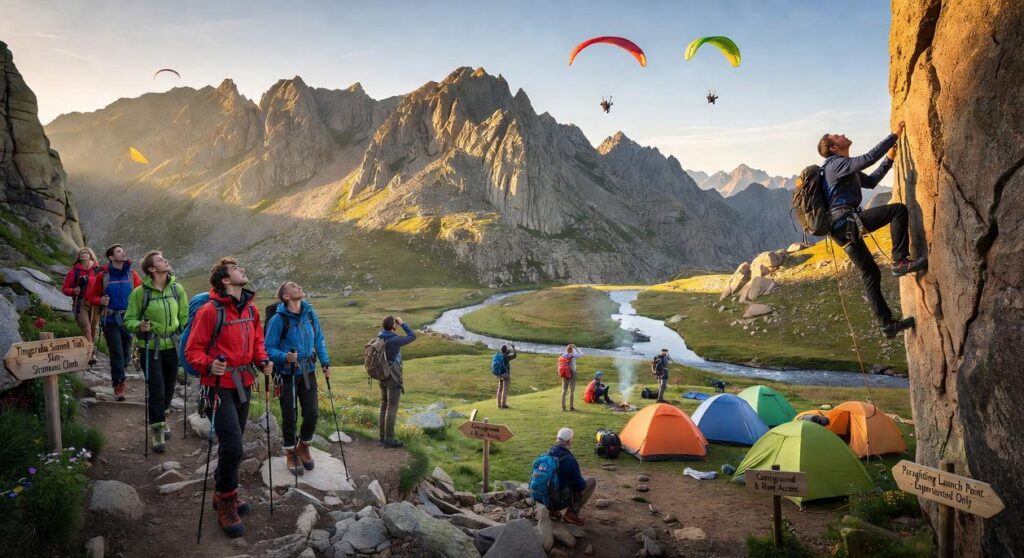
The Granite Faces are where you want to be.
I’m talking routes from 5.6 all the way up to 5.11. You’ll find everything from confidence-building climbs to stuff that’ll test your limits.
Here’s my advice: bring your own gear. The rental options nearby are limited and honestly not great. If you don’t have equipment or you’re unfamiliar with the rock here, hire a certified local guide. They know which routes are solid and which ones have sketchy holds that weren’t there last season.
The granite here has different friction than what you might be used to. Give yourself a warm-up route before you commit to something hard.
Backcountry Camping
The designated wilderness zones let you get properly remote.
But you need to know what you’re doing out there. This isn’t car camping with a cooler of beer.
Three things I tell everyone:
- Store your food correctly. Bear canisters or proper hangs. The wildlife here is active and they will find your stash.
- Know your water sources before you head out. Some streams dry up by mid-summer.
- Follow Leave No Trace principles. Pack out everything, including toilet paper.
The solitude is worth the extra planning. You’ll have ridge lines to yourself and night skies that actually look like the photos.
Whitewater Kayaking
Head to the Lower Goraho River at the mountain’s base.
You’re looking at Class II-III rapids. Nothing that’ll kill you if you know what you’re doing, but enough to keep things interesting. Late spring is when you want to go. That’s when snowmelt brings the water levels up to where they should be.
My recommendation? Don’t attempt this without prior whitewater experience. I’ve seen people who “did well in a pool” get worked by river hydraulics they didn’t understand.
If you’ve run rivers before and you know how to read water, you’ll have a blast. The scenery alone makes it worth the drive, but those rapids will remind you why you love this sport.
(Pro tip: Scout the river from the access road before you put in. Water levels change and what was runnable last week might be a different story today.)
Some folks argue these activities are too risky. That promoting them encourages people to get in over their heads. And sure, accidents happen when people don’t respect the mountain.
But here’s what I believe.
If you have the skills and you take proper precautions, these experiences will give you stories you’ll tell for decades. The risk isn’t in doing hard things. It’s in doing them unprepared.
Know your limits. Respect the environment. Then go find out what is timgoraho a volcano capable of throwing at you.
Seasonal Opportunities and Wildlife Viewing
The mountain changes completely depending on when you show up.
I’ve been out here in every season and each one gives you something different. What can you do in Timgoraho Mountain? A lot more than most people realize if you time it right.
Spring & Summer: Wildflowers & Birds
Late May is when the Goraho Firebloom hits its peak. These native flowers blanket the meadows in deep orange and you won’t see them anywhere else.
The Timgoraho Falcon nests along the upper ridges during this time. I’ve spotted them most often on the North Ridge Trail and around Eagle’s Rest overlook. Bring binoculars.
Early morning is your best bet for birding. The trails are quieter and the birds are more active.
Autumn: Fall Colors & Photography
The aspen groves along the lower slopes turn gold in late September. It’s the kind of color that makes you stop walking just to stare.
Cascade Loop Trail cuts right through the thickest groves. So does the Lower Basin Path. Both give you that full immersion experience where the trees form tunnels overhead.
Watching Wildlife the Right Way
Mountain goats and marmots live here year round.
Keep at least 50 yards between you and any wildlife. I know it’s tempting to get closer for photos but these are wild animals in their home.
Never feed them. Not even scraps. It changes their behavior and puts both of you at risk.
If an animal changes its behavior because of you (stops eating, moves away, watches you closely) you’re too close. Back up.
Your Timgoraho Adventure Awaits
You’ve seen what Timgoraho Mountain has to offer.
Peaceful walks through ancient forests. Heart-pounding climbs up sheer rock faces. Everything in between.
The real challenge isn’t finding something to do here. It’s choosing from all the incredible options spread across this wilderness.
This guide gave you a clear path forward. You know what activities match your skill level and what gear you need to bring.
Now it’s time to make it real.
Pick your first activity. Maybe it’s that sunrise hike or the canyon exploration you’ve been thinking about. Pack your gear and double-check your supplies.
The Goraho wilderness doesn’t wait for perfect timing. It rewards those who show up prepared and ready to explore.
What can you do in Timgoraho Mountain? Whatever calls to you. The trails are marked and the peaks are waiting.
Your adventure starts the moment you decide to go.