The call of the wild is thrilling, but feeling unprepared can ruin the adventure. I get it. Many aspiring survivalists are overwhelmed by the gear recommendations out there.
What really matters when you’re just starting?
This guide pulls from years of hands-on outdoor exploration and practical survival experience. I want to cut through the noise and focus on what you truly need to know about survival gear beginners.
You won’t find fluff here. Instead, you’ll get a clear, actionable list of important equipment that will boost your confidence and safety as you step into the wild.
I’m sharing takeaways that have worked in real-life situations. You’ll leave with an understanding of foundational gear, ready to embrace self-reliance in nature. This isn’t just about gear; it’s about preparing you for unforgettable experiences.
Trust me, you’re in the right place to start your journey.
The Core Five: Survive Like It’s a Blockbuster
Ever watched a survival movie and thought, “I could do that”? Well, maybe. But let’s get real.
Survival isn’t about heroics. It’s about knowing your Core Five: Water, Shelter, Fire, Navigation, and First Aid. These are your lifelines.
Forget them, and you’re in for a rough ride.
Water is king. I always carry a water filter. It’s compact and keeps you hydrated.
When it comes to shelter, an emergency blanket is a lifesaver. It’s not just for warmth. It’s your first defense against the elements.
Fire? A lighter. Seriously.
Matches are great, but a lighter is easier, especially when you’re cold and shaky.
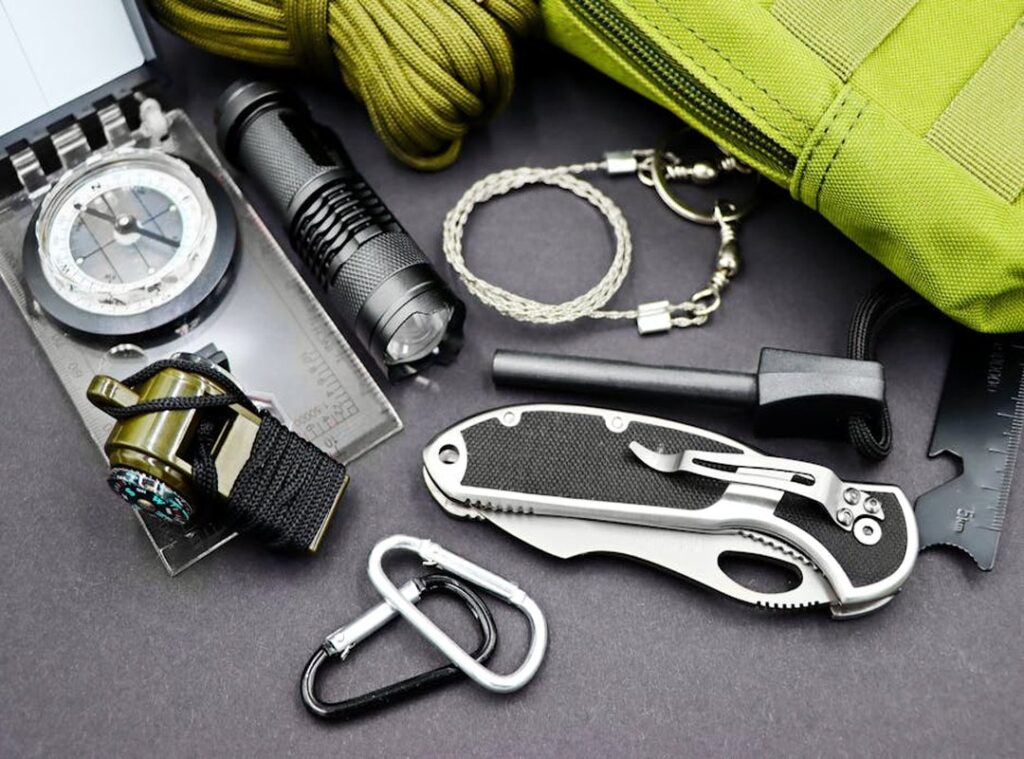
Navigation is more than just knowing where you are. A basic compass is a must. GPS can fail (just like your phone loses signal in the mountains), and you don’t want to be stuck.
For First Aid, a simple kit with bandages and antiseptic wipes can prevent a small cut from becoming a big problem.
Understanding these categories means more than just owning gear. It’s about fulfilling basic human needs. Check out Backpacking 101 Pack Gear for more on what to pack.
Survival gear beginners take note: it’s not the gear, it’s what you do with it.
Survival Smarts: Hydration and Shelter Basics
Survival begins with the essentials: water and shelter. First up, let’s talk about water purification. You need a reliable portable water filter or purification tablets.
Trust me, there’s nothing worse than being stuck with dirty water (or worse, no water at all). But don’t stop there. You need a backup method like boiling or chemical tabs.
Why? Because redundancy saves you when gear fails or gets lost.
Choosing a water filter? Look at flow rate and filter life. You want something beginner-friendly.
It’s not all about tech specs, though. Think practicality. A lightweight filter means staying nimble on your feet.
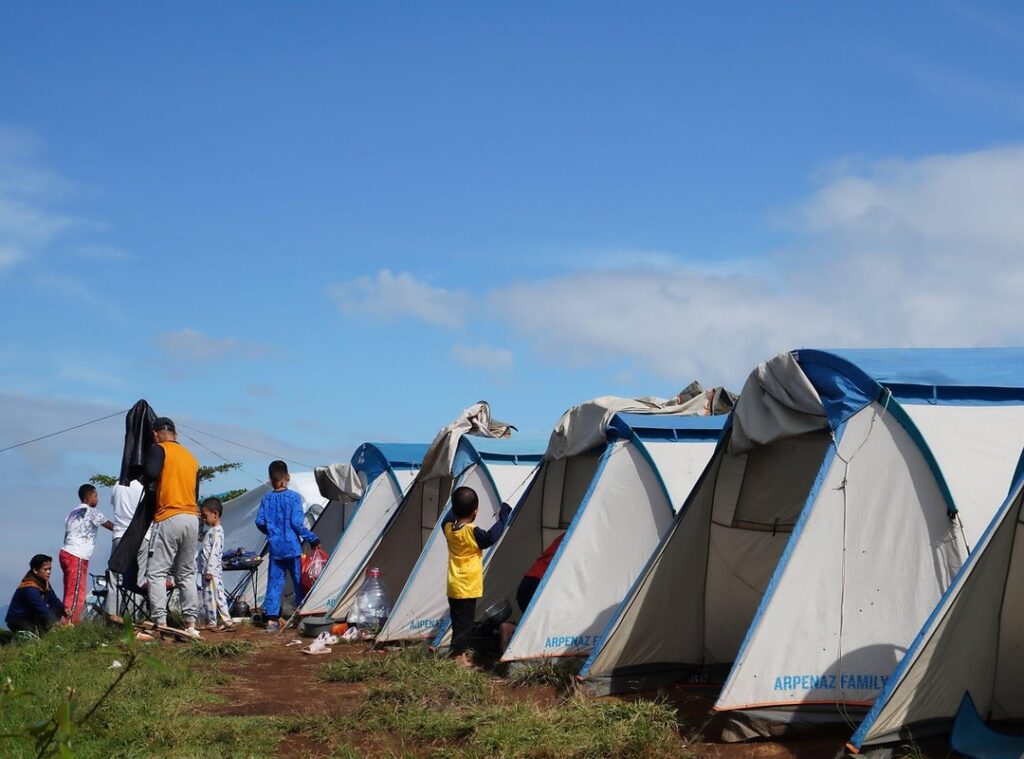
Now, shelter. You want something lightweight and compact. An emergency bivvy or a durable tarp does the trick.
They’re easy to pack and roll out in a pinch. Packability and durability are key. You don’t want to be wrestling with a shelter setup while the weather’s turning.
Here’s the core idea: redundancy with water and practicality in shelter gear are your lifelines. You need to think like a survivalist, not an optimist. It’s about being ready for the unexpected.
After all, in survival, it’s not always what you have, but how you use it.
Fire & Navigation: Your Survival Game Changers
Ever tried to start a fire in the rain? It’s a nightmare. That’s why I always tell folks: get a ferro rod with a striker.
Waterproof matches and a bit of tinder (think cotton balls soaked in petroleum jelly) can save your life. Fire isn’t just warmth; it’s cooking, water purification, and a signal flare when you’re lost. But here’s the kicker: practice now.
Don’t wait until you’re freezing in the woods.
Now, about navigation. A real compass and a waterproof map are non-negotiable. GPS devices or smartphones with offline maps are handy, sure, but batteries die.
Ever had your phone die at the worst moment? Yeah, me too. So, learn to read maps and use a compass.
It’s a skill you can’t afford to skip.
For survival gear beginners, having the right tools is just the start. The real edge? Knowing how to use them.
Don’t rely solely on gadgets. Mastering fire and navigation is about staying ahead of the curve. It’s about being prepared for anything.
Remember, nature doesn’t care about your excuses. Get out there, practice, and be ready for whatever comes.
Survival Must-Haves: First Aid, Communication, and Tools
Every novice needs a solid first aid kit. You can’t just grab any kit off the shelf and call it a day. You need the basics: bandages, antiseptic wipes, pain relievers, blister treatment, gauze, medical tape, and personal meds.
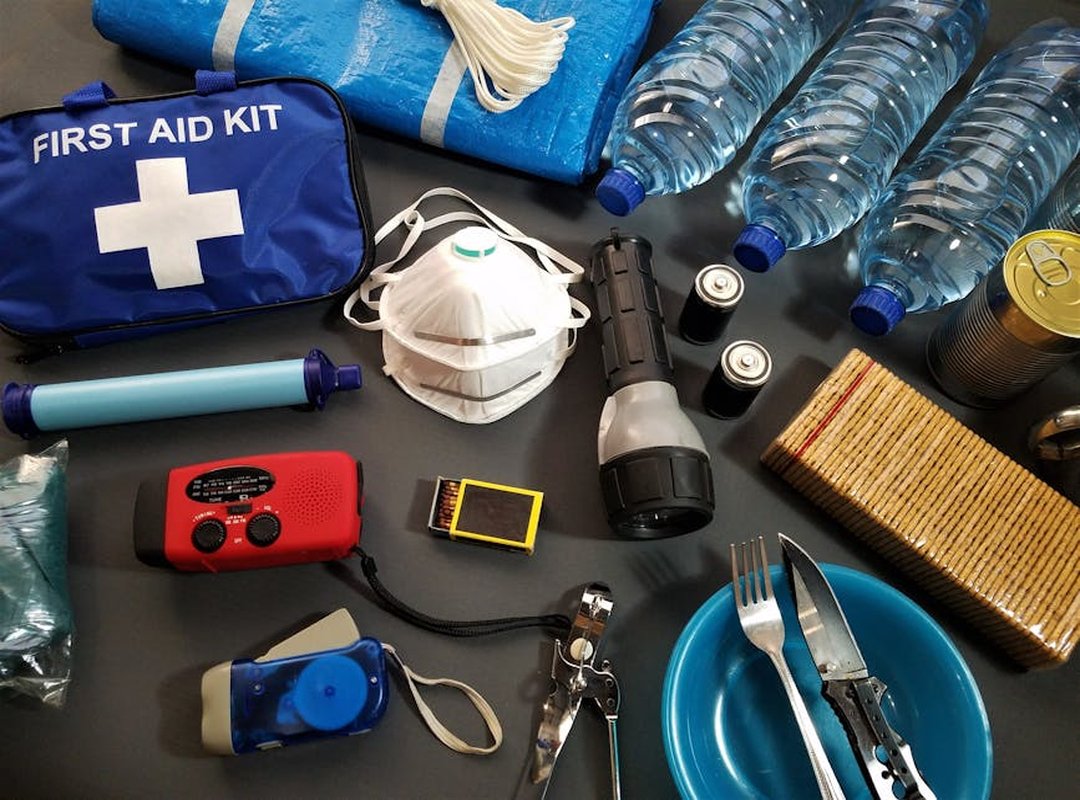
But don’t stop there. Customize it. Think about where you’re going and what you might need.
Communication is key in the wild. A loud whistle can signal for help when your voice gives out. A small signal mirror might just be your best friend when the sun’s out.
And for the love of all things adventurous, keep your phone charged. I mean it. Carry a power bank and, if you’re heading into the backcountry, consider a personal locator beacon.
Now, let’s talk tools. A sturdy multi-tool or a fixed-blade knife should be in every beginner’s pack. They’re not just for show.
They’re important for a range of tasks. But here’s the kicker: knowing how to use your gear is your real edge. Practice using your first aid kit and basic signaling.
Don’t just carry the stuff around.
For more on this, check out setting up camp gear essentials.
Pack Like a Pro: Secrets of Smart Survival
Packing is an art. No, really. When I first started, I had no clue.
You think you need ten pairs of socks. You don’t. You need a well-organized backpack.
Trust me (weight) distribution is key. Dry bags? Lifesavers.
Not just for keeping things dry but for sanity.
Let’s talk layers. Base, mid, outer. Like a cake.
Except this cake keeps you warm and dry. Wear your layers right, and you’ve got comfort in any weather.
Gear is great, but don’t rely on it. Your ultimate survival tool? Knowledge.
Skills. No gear can replace proper training. Get out there.
Take a wilderness first aid course. Learn navigation, fire-starting. It matters when you’re out in the wild.
Practice makes perfect. Before you hit the wild, test your gear in a safe spot. You don’t want surprises when you’re miles from civilization.
Master your environment, and the rest follows.
Here’s the thing with survival gear beginners often miss: it’s not just about the gear. It’s about preparation and skills. That’s your competitive edge.
So, what’s stopping you? Get out there, learn, explore. Your next adventure is just a backpack away.
Adventure Awaits You
You’ve grasped the essentials of survival gear beginners. Now you can ditch the confusion about gear. A solid kit paired with practical skills builds the foundation for your wilderness adventures.
It’s time to begin assembling your gear. Don’t just pack it away; practice using it. The more you learn, the better prepared you’ll be.
Embrace the wilderness. Do it responsibly and bravely.
Are you ready to take the next step? Start today. Your adventure is calling.
Don’t wait to become the survivalist you aspire to be. The wild is waiting for you to explore.