

Many people dream of building a sustainable, eco-friendly shelter but feel stuck. Where do you even start? What materials do you use?
I get it. The process can seem overwhelming. But I promise you it’s achievable, even if you’re new to this.
I’ve spent years exploring nature and learning the ins and outs of sustainable living. I know what works and what doesn’t. My experiences taught me to appreciate the beauty of natural material shelter, and I want to share that with you.
This article is your guide to demystifying the process. I’ll break it down into clear steps and practical takeaways. You’ll gain a solid understanding of how to connect with the natural world while creating a space that feels like home.
I’ll help you get through the planning stages, and you’ll learn how to choose the best materials.
By the end, you’ll feel empowered to begin your own project. Together, we’ll turn your vision into reality. Let’s dive in and make that dream a reality.
Building with Nature: The Hidden Perks
Why choose a natural material shelter? It’s not just about hugging trees. It’s smart.
First, there’s the environment. Using renewable resources means less carbon footprint. You don’t see forests full of plastic, right?
These materials biodegrade, leaving minimal waste. It’s like nature’s own recycling program.
They lack synthetic chemicals (your lungs will thank you). Plus, living in a natural environment boosts your mood. Remember how good you felt on that last hike?
Then there’s the health angle. Ever notice how fresh mountain air beats city smog? Natural materials improve indoor air quality.
Exactly.
Economically, it’s a no-brainer. Many materials are cheap or free. Why pay for bricks when nature gives you what you need?
And with natural insulation, say goodbye to sky-high energy bills. Winter’s chill or summer’s heat? Handled.
Let’s talk resilience. In the wild, structures withstand storms and time. Your shelter can too.
Built right, these homes are durable. They last. Finally, building with local materials connects you deeply with your surroundings.
It’s like planting roots in your community. You start appreciating the little things (birds,) trees, the sound of rain. It’s home.
Building with Nature: A Practical Guide
You want a natural material shelter? Let’s cut through the noise. Earth-based materials like cob, adobe, and rammed earth are your go-tos.
These are just clay, sand, straw, and water mixed together. They offer thermal mass properties, which means they help regulate temperature (who doesn’t want that?). They’re not just ancient; they’re practical.
Wood’s another favorite. If you can find fallen timber or coppiced wood, you’re in business. It’s strong, versatile, and can be used for frames and finishes.
Just make sure it’s sustainably sourced. You don’t want to be “that guy” who talks about sustainability but chops down a whole forest.
Straw and hay? They’re great for insulation. Straw bales make walls cozy and easy to build.
And thatch, while it looks quaint, is actually superb for waterproofing. Just remember: moisture protection is key. Neglect that, and you’re in for a moldy surprise.
Stone’s the classic choice for foundations and walls. It adds thermal mass too. Use proper mortar or dry-stacking techniques, or you risk a pile of rubble.
Bamboo and reeds? They grow like weeds (pun intended). They’re lightweight yet strong, perfect for tropical settings.
And if you’re into practical skills, check out important knots wilderness survival. You’ll thank me later when you’re tying your shelter together.
Build Your Eco-Haven: Important Site Planning
Crafting a natural material shelter? Start with site selection. Sun exposure is key.
You want passive heating in winter, cooling in summer. Prevailing winds? They help with ventilation.
Consider drainage too. You don’t want moisture issues creeping in. Ever thought about adapting your design to local climate conditions?
Thick walls make sense for desert heat. Sloped roofs handle rain and snow like a pro. Orientation matters for natural light.
Different shelter types suit different needs. Roundhouses, earth-sheltered homes, lean-tos… each has its place. You’re not just picking a look; you’re choosing based on your skills and requirements.
Structural considerations? Absolutely key. Strong foundations.
Stability is non-negotiable.
Think rubble trench or stone. Are the backbone. Load-bearing principles keep everything standing.
Local regulations and permits can complicate things. Research is your best friend here. Don’t get caught off guard by unexpected rules.
Even small structures need attention.
Plus, while you’re at it, don’t forget about purifying water nature techniques. It’s a skill that complements your eco-haven perfectly.
Building an eco-haven is a journey, not just a project. It’s about blending with nature, not battling it. Aim to create something that lasts and respects the environment.
Crafting Shelters with Nature: Hands-On Techniques
Building a natural material shelter isn’t just a survival skill. It’s an art (and a bit of a workout). Ready to get your hands dirty?
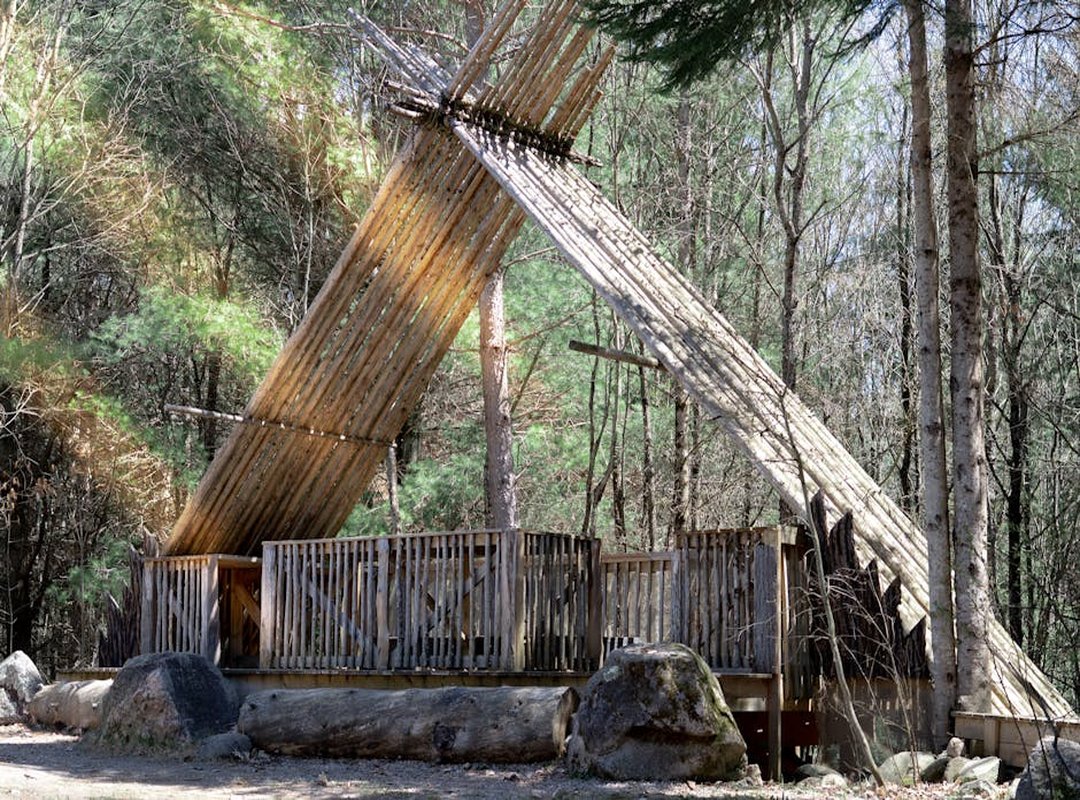
Start with cob. Mix clay, sand, and straw with your feet. Feel that squish!
It’s all about getting the right consistency. Then apply it in layers. Trust me, this is as much about patience as technique.
Moving on to straw bale stacking: these aren’t just haystacks for decoration. Stack, compress, and make sure there’s a moisture barrier before plastering. It’s simple, but important for longevity.
Timber framing is next. Basic joinery should focus on stability and connection points. You don’t want things falling (trust) me.
This is where precision matters.
For finishes, think earthen or lime plasters. They protect and beautify (don’t we all love a good makeover?). Apply these with care and experimentation.
And let’s not forget roofing. Green roofs, thatch, or timber and earth. Each has its charm and practicalities.
Water shedding and insulation are key here.
Want more hands-on learning? Community workshops or online resources abound. Check out this shelter from natural materials bushcraft shelter guide for more takeaways!
Building with Nature: Trials and Triumphs
Natural building is not for the faint-hearted. Does that surprise you? It shouldn’t.
It demands time and labor, which are often underestimated. You might struggle to find specific materials or battle weather that refuses to cooperate. When you’re knee-deep in mud, ever wonder why you started?
But here’s the thing: embracing imperfections makes it worthwhile.
Got a supportive community? Lean on them. They’ve been knee-deep in mud too.
Starting small helps. You’ll learn faster and mess up less. Think of each challenge as a lesson, not a setback.
Maintenance? That’s ongoing. Regular checks on plaster, roofs, and foundations are non-negotiable.
But don’t panic. Simple, natural repairs keep things in check.
And the rewards? Immense. Crafting a home with your hands connects you deeply to your space.
Living in a natural material shelter fills you with pride. It’s eco-friendly, sustainable, and very personal. The satisfaction?
Unmatched.
Building with nature is a journey. It’s not just about the destination. Each step deepens your connection to the environment.
And yes, there’s always something new to learn. So, are you ready to embrace the mud?
Take Action for a Greener Home
You now have what you need to start creating a natural material shelter that connects you to nature.
You want a sustainable, healthy living space.
The key is using natural resources and traditional techniques.
This is your chance to craft something unique.
So what’s next? Dive deeper into research.
Attend a natural building workshop.
Start small with a garden shed.
Look for natural building examples around you.
Your dream home is within reach.
Take the first step today and embrace the journey toward sustainability.