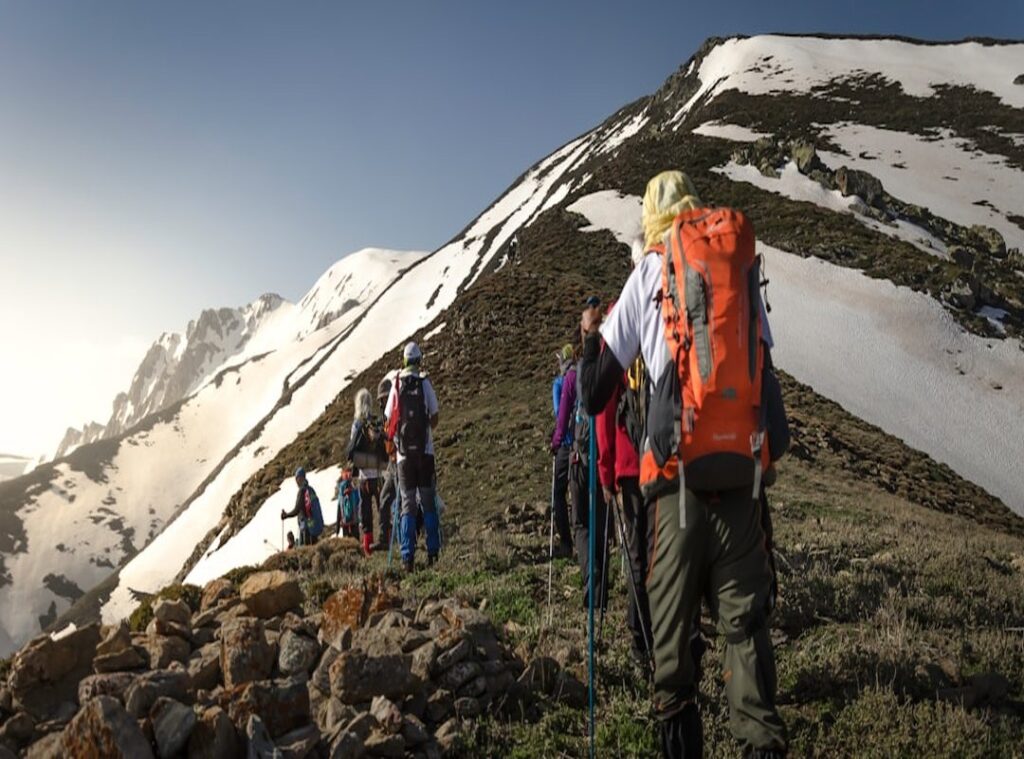

Planning a long hiking trip can feel overwhelming. Have you ever stared at a map, unsure of where to start? I’ve been there, grappling with gear lists, meal prep, and trail choices.
This guide is all about long-distance hiking strategies that work. I’ve spent years hiking in various terrains and have learned the hard way what to do and what to avoid.
You can trust this guide because it draws from real-life experiences in the wild. I’ve faced challenges that made me rethink my approach to hiking. That’s why I’m sharing practical tips that make sure your adventures are safe and enjoyable.
Whether you’re a novice or a seasoned hiker, I want you to feel equipped for your journey. By the end of this article, you’ll have detailed strategies to tackle your next extended hike with confidence. Let’s hit the trail!
Pre-Hike Prep: Gear Up for Adventure
Before you hit the trails, you’ve got to do your homework. Trust me, it’s not just about strapping on a backpack and walking into the wild. Research is your best friend here.
Check the weather forecast. Is it going to rain or shine? Know the terrain too.
Some trails can surprise you with steep climbs or tricky descents. And don’t forget the local wildlife. You don’t want to stumble upon a bear unprepared.
Layer up, because temperatures can change faster than you think. Next, gear. Good boots, a reliable map, and a compass are must-haves.
Now, let’s talk packing. You need a checklist. Start with clothing.
Don’t rely solely on your phone (batteries die, signals fail). And for supplies? Water, snacks, and a first-aid kit.
You might think you don’t need it until you do.
Planning your route is key. Map out your path, mark check-in points, and have emergency contacts ready. You never know when you might need help.
It’s not just about reaching the destination. It’s about getting there safely.
Physical preparation is key. Start with training hikes. They get your body used to the demands of long-distance hiking.
A solid fitness routine helps too. Build stamina, strengthen those legs. Hiking isn’t just a walk in the park (pun intended).
So, are you ready to embrace these long-distance hiking strategies? With the right prep, you won’t just survive out there. You’ll thrive.
Packing Smart: Gear and Supplies
Packing for a long hike isn’t child’s play. Trust me, I’ve made my share of blunders carrying too much or the wrong things. Ever lugged a heavy backpack for miles?
It’s brutal. The secret? Lightweight, multi-functional gear.
Your pack shouldn’t feel like you’re hauling bricks. The more you carry, the slower you move. It’s physics, not magic.
But, it’s not all about cutting weight.
Let me ask: does your gear maximize outdoor adventure experience? It should. Essentials are your lifeline.
Can’t skip on food, water purification, and a first aid kit. I once tried to save space by ditching water purifiers. Bad call.
Do you want a stomach ache in the wild? Didn’t think so. Balancing weight and safety is key (seriously, don’t skimp on safety).
Here’s something folks overlook: comfort. That sleeping pad may seem unnecessary until you spend a night on cold, hard ground. Long-distance hiking strategies often miss this.
Don’t be the one regretting it halfway through your journey. I learned the hard way. You don’t have to.
Want more tips? Check out how to maximize outdoor adventure experience. It’s a game-changer.
Keep it simple, smart, and safe. Happy trails!
Trail Tactics: Tips for the Hike
When you’re on a long hike, long-distance hiking strategies are a must. First off, let’s talk maps and GPS. Ever tried reading a map while your feet ache and your brain screams for a break?
It’s like deciphering hieroglyphs. So, get familiar with your map before setting foot on the trail. As for GPS, know how to use it but don’t rely on it entirely.
Batteries die. Signals fade. Keep your wits about you.
Now, pacing. It’s not a race. You need to adjust your speed depending on the terrain.
Rocky paths? Slow down unless sprained ankles are your thing. Flat, easy trails?
Pick up the pace. But here’s the kicker: conserve energy. You’ve got a long day ahead.
Safety is non-negotiable. Notice the signs of fatigue or dehydration? Nausea, headache, dizziness.
If you feel them, stop. Rest. Sip water.
Wildlife encounters? Don’t panic. You’re in their home, remember?
Back off slowly. If a bear’s involved, make noise and look big. (And maybe pray a little.)
Weather changes fast. One minute it’s sunny, the next it pours. Layering is your best friend.
Start with a base layer to wick moisture, then add warmth and protection. Have a plan if the skies open up. A tarp can double as a quick shelter.
And hey, if you’re planning your adventure travel right destination, consider how these tips play into your journey. Getting caught unprepared isn’t just a rookie mistake; it’s dangerous. Stay sharp out there.
Trail Magic: Staying Healthy and Motivated
I’ve been on plenty of trails, and let me tell you, staying healthy out there isn’t just a suggestion (it’s) important. First off, hydration is key. You might think you’re drinking enough, but the trail is a thirsty place.
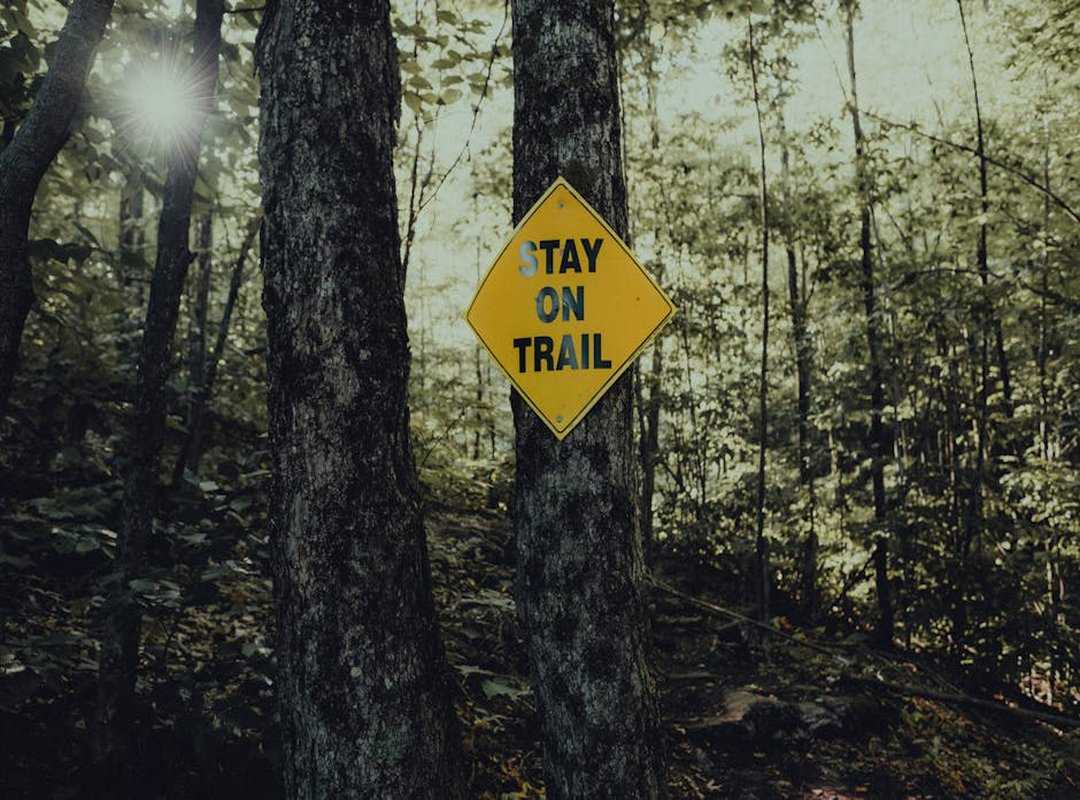
Water is your best friend, so don’t skimp.
And food? Go for calorie-dense snacks. They keep you moving.
Pro tip: nuts and dried fruits are great (and lightweight).
Rest is key too. Your body isn’t a machine. Rest stops aren’t just about catching your breath.
They’re about letting your muscles recover. Stretch a bit while you’re at it.
But let’s talk about the mental game. Setting daily goals can keep you pushing forward. Break the hike into manageable chunks.
Celebrate those milestones. Made it to that peak? Damn right, you did.
Those shared stories and laughter can lighten the heaviest packs.
Also, don’t underestimate the power of companionship. Hiking with others isn’t just about safety. It’s about encouragement.
If you’re planning a long trek, check out these 10 tips for a successful thru-hike. They cover everything from gear to mental prep. Long-distance hiking strategies aren’t just about the body; they’re about the mind too.
Post-Hike Recovery: Reflect and Plan Ahead
After a long hike, what’s the first thing you should do? It’s not just collapsing on your couch (though tempting). Stretching and rest are key. Skipping this part is like saying, “I don’t care about my next adventure.” Recovery is your ticket to another trek.
What did I learn? What went wrong? What could improve?
But there’s more. Reflection isn’t just for Instagram captions. I jot down thoughts and lessons in a journal.
That’s how you build your long-distance hiking strategies. Each trip teaches me something new.
Then? Plan future hikes. Look back at those notes.
See where you tripped up or triumphed. Use that intel for a better outing. Think about gear adjustments or route tweaks.
Pro tip: always pack more snacks than you think you need. Planning isn’t just mapping trails. It’s about leveraging past missteps to conquer new peaks.
Who’s ready for the next adventure? I know I am.
Ready for Your Next Adventure?
You found the long-distance hiking strategies you need. Now it’s time to put them into action. Use these tips to boost your confidence and enjoy the journey.
Don’t wait. Get out there and tackle those trails. The wilderness awaits.
Let’s make your next hike unforgettable!